

Profitability of Pig Farming for Bacon Production
Bacon, that savory, crispy delight beloved by many, has a fascinating journey from the pig to your breakfast plate. In this article, we delve into the intricacies of bacon-making, exploring the age-old questions and modern trends surrounding this iconic food. Learn how to make bacon and find out what breed is best to use.
Profitability Analysis of Pig Farming for Bacon Production
Cost Breakdown and Financial Considerations
Brief overview of the profitability analysis of pig farming for bacon production.
Revenue Generation
- Bacon Production:
- Estimation of potential revenue from bacon production, considering factors such as:
- Market prices for bacon: Average selling prices for bacon products in local or regional markets.
- Yield and production efficiency: Calculation of expected bacon yield per pig and production efficiency.
- Sales volume: Anticipated sales volume based on market demand and production capacity.
- Estimation of potential revenue from bacon production, considering factors such as:
- Value-Added Products:
- Additional revenue streams from value-added products, such as:
- Specialty bacon varieties: Potential to command premium prices for artisanal or flavored bacon products.
- By-products: Utilization of non-meat parts of the pig for secondary products, such as lard or pet food.
- Additional revenue streams from value-added products, such as:
Profitability Analysis
- Calculation of profitability metrics to assess the financial viability of pig farming for bacon production, including:
- Gross profit margin: Revenue generated minus direct costs associated with production.
- Net profit margin: Gross profit margin minus total operating expenses.
- Return on investment (ROI): Ratio of net profit to total investment in pig farming operations.
Risk Factors and Considerations
- Discussion of potential risks and challenges that may impact the profitability of pig farming for bacon production, such as:
- Market volatility: Fluctuations in bacon prices and demand due to factors like consumer preferences, economic conditions, and competition.
- Input cost variability: Risks associated with changes in feed prices, labor costs, and other input expenses.
- Disease outbreaks: Potential impact of diseases or health issues affecting pig populations on production and profitability.
- Conclusion
- Summary of key findings from the profitability analysis and considerations for pig farmers considering bacon production.
- References
- Citations and sources for data, research, and information used in the profitability analysis.
How to Make Bacon
Bacon is typically made from pork belly, a fatty and flavorful cut of meat. The process begins with curing the pork belly in a mixture of salt, sugar, and often additional flavorings such as spices or smoke. After curing for several days, the pork belly is rinsed and then either smoked or cooked low and slow until it reaches the desired level of crispiness.
Making bacon at home can be a rewarding culinary adventure, allowing you to customize flavors and control the quality of ingredients. Here’s a step-by-step guide to making bacon from scratch:
Ingredients:
- Pork belly (choose a high-quality, preferably pasture-raised cut)
- Kosher salt or curing salt (pink salt)
- Sugar (optional)
- Spices or seasonings of your choice (e.g., black pepper, garlic powder, smoked paprika)
- Maple syrup or honey (optional, for added sweetness)
- Liquid smoke (optional, for smoky flavor)
Equipment:
- Large resealable plastic bags or a non-reactive container
- Refrigerator
- Baking sheet or wire rack
- Sharp knife
- Smoker or oven (for smoking the bacon)
Instructions:
1. Prepare the Cure:
- In a bowl, mix together your salt, sugar, and any desired spices or seasonings to create your curing mixture. You can adjust the proportions based on your taste preferences.
- If using curing salt (pink salt), follow the recommended ratio provided with the salt. Curing salt helps prevent bacterial growth and gives the bacon its characteristic pink color.
2. Prepare the Pork Belly:
- Rinse the pork belly under cold water and pat it dry with paper towels.
- Place the pork belly in a large resealable plastic bag or non-reactive container.
3. Apply the Cure:
- Rub the curing mixture evenly all over the pork belly, ensuring it’s well coated on all sides. If using liquid smoke or other flavorings, add them at this stage.
- Seal the bag or cover the container with plastic wrap, ensuring that the pork belly is tightly wrapped.
4. Cure in the Refrigerator:
- Place the bag or container in the refrigerator and let the pork belly cure for 7-10 days. Flip the pork belly over every day to ensure even curing.
5. Rinse and Dry:
- After the curing period, remove the pork belly from the bag or container and rinse off the excess cure under cold water. Pat it dry with paper towels.
6. Optional Pre-Smoking:
- If you prefer a smoky flavor, you can cold smoke the pork belly before cooking it. Place the pork belly on a wire rack set over a baking sheet and smoke it at a low temperature (below 90°F or 32°C) for several hours. Alternatively, you can skip this step and proceed directly to cooking.
7. Cook the Bacon:
- Preheat your oven to 200°F (93°C). Place the pork belly on a wire rack set over a baking sheet and roast it in the oven until it reaches an internal temperature of 150°F (65°C), which usually takes 2-3 hours.
- Alternatively, you can slice the cured pork belly into bacon strips and fry them in a skillet over medium heat until crispy and golden brown.
8. Cool and Slice:
- Once cooked, let the bacon cool slightly before slicing it into desired thickness. For best results, slice the bacon when it’s still slightly warm but not hot.
9. Enjoy Your Homemade Bacon:
- Your homemade bacon is now ready to be enjoyed! Store any leftovers in an airtight container in the refrigerator for up to one week or freeze for longer storage.
Best age for Bacon Pigs
When it comes to selecting pigs for bacon production, age is a crucial factor. Pigs are typically slaughtered for bacon between 5 and 7 months of age, although some producers may prefer pigs on the older side for larger cuts of bacon.
Pigs slaughtered at a younger age tend to have more tender and succulent meat, while those slaughtered at an older age may have more developed flavor and firmer texture. The age at which pigs are processed can also affect the fat-to-lean ratio, which contributes to the overall taste and mouthfeel of the bacon.
Ultimately, the ideal age for processing pigs for bacon may vary depending on factors such as breed, feeding regimen, and producer preferences. It’s essential for producers to strike a balance between achieving optimal meat quality and ensuring efficient production practices to meet market demand.
Best Pig Breed for Bacon
When it comes to selecting the best pig breed for bacon production, several factors come into play, including meat quality, flavor, fat content, and growth rate. While there are several pig breeds suitable for bacon production, two breeds stand out for their exceptional meat quality and flavor:
- Berkshire:
- Berkshire pigs are renowned for their marbled meat and rich, full-bodied flavor, making them an excellent choice for bacon production. Their meat is well-marbled with intramuscular fat, which enhances juiciness and tenderness.
- Berkshire pigs are known for their excellent foraging abilities and adaptability to various farming systems, making them well-suited for pasture-based or free-range operations.
- Additionally, Berkshire pork is highly prized by chefs and consumers for its superior taste and texture, making it a popular choice for artisanal bacon production.
- Duroc:
- Duroc pigs are another popular choice for bacon production due to their flavorful and tender meat. They are known for their deep red color and generous marbling, which contributes to the succulence and richness of the bacon.
- Duroc pigs are valued for their efficient growth rate and feed conversion efficiency, making them an economically viable option for commercial bacon production.
- The meat from Duroc pigs is often described as juicy, tender, and well-balanced, with a delicious pork flavor that shines through when cured and smoked for bacon.
Also see:
Profitability of Pig Farming for Bacon
The profitability of pig farming for bacon production can vary depending on a multitude of factors, including market demand, input costs, production efficiency, and pricing fluctuations. Here are some key considerations when assessing the profitability of pig farming for bacon:
- Market Demand: Understanding market demand for bacon is crucial for profitability. Bacon is a popular food item with consistent demand, but fluctuations in consumer preferences and dietary trends can impact market dynamics. Producers should research market trends and consumer preferences to ensure they can meet demand effectively.
- Input Costs: Input costs such as feed, labor, housing, and veterinary care significantly affect the profitability of pig farming. Rising feed prices or unexpected increases in operating expenses can eat into profit margins. Efficient management practices and cost-control measures are essential for mitigating input costs.
- Production Efficiency: Maximizing production efficiency is key to profitability. This involves optimizing breeding programs, feed conversion rates, and growth rates to minimize the time and resources required to raise pigs for bacon production. Efficient utilization of resources can enhance productivity and profitability.
- Value-Added Products: Diversifying product offerings and adding value to bacon products can enhance profitability. Producers can explore opportunities to differentiate their bacon through branding, packaging, or offering specialty bacon varieties (e.g., artisanal, organic, or flavored bacon). Value-added products often command higher prices and can increase profit margins.
- Economies of Scale: Scale of operation can impact profitability in pig farming. Larger operations may benefit from economies of scale, allowing for lower production costs per unit and enhanced competitiveness in the market. However, small-scale producers can also achieve profitability through niche markets, direct sales, or specialty products.
- Price Volatility: Price volatility in the pork market can affect profitability. Fluctuations in market prices for pork and bacon products, driven by factors such as supply and demand dynamics, trade policies, and economic conditions, can influence revenue and profitability for pig farmers. Risk management strategies, such as forward contracting or hedging, may help mitigate price risk.
- Regulatory Compliance and Market Access: Compliance with regulatory standards and market access requirements is essential for profitability in pig farming. Producers must adhere to food safety regulations, animal welfare standards, and environmental regulations to maintain market access and consumer trust. Non-compliance can lead to fines, penalties, or loss of market opportunities.
The profitability of pig farming for bacon production depends on a combination of factors, including market demand, input costs, production efficiency, value-added opportunities, and risk management strategies. Successful pig farmers employ strategic planning, efficient management practices, and market intelligence to navigate challenges and capitalize on opportunities in the dynamic pork market.
Legality of Bacon Production
In South Africa, bacon production is regulated by various laws and regulations to ensure food safety, hygiene standards, and compliance with industry standards. The legality of bacon production in South Africa is governed primarily by the Department of Agriculture, Land Reform and Rural Development, along with other relevant regulatory bodies. Here are some key aspects of the legality of bacon production in South Africa:
- Food Safety Regulations: Bacon production in South Africa is subject to food safety regulations outlined in the Foodstuffs, Cosmetics, and Disinfectants Act (Act 54 of 1972) and its subsequent amendments. These regulations establish standards for food processing facilities, equipment, hygiene practices, and product labeling to ensure that bacon products are safe for consumption.
- Meat Inspection: The South African government employs meat inspectors who conduct regular inspections of meat processing facilities, including those involved in bacon production. These inspections aim to verify compliance with food safety standards and ensure that meat products meet quality and hygiene requirements.
- Import and Export Regulations: South Africa may have specific import and export regulations governing the importation and exportation of bacon products. These regulations may include requirements for certification, documentation, and inspection of imported or exported bacon to ensure compliance with food safety standards and trade agreements.
- HACCP Plans: Bacon producers in South Africa may be required to implement Hazard Analysis and Critical Control Points (HACCP) plans as part of their food safety management systems. HACCP plans help identify and control food safety hazards throughout the production process, thereby minimizing the risk of food contamination.
- Labeling and Packaging: Bacon products in South Africa must comply with labeling and packaging requirements established by the Foodstuffs, Cosmetics, and Disinfectants Act and other relevant regulations. Proper labeling is essential to provide consumers with accurate information about the product, including ingredient lists, nutritional information, and allergen declarations.
- Licensing and Permits: Bacon producers may need to obtain licenses or permits from regulatory authorities to operate legally. These licenses or permits may vary depending on factors such as the scale of production, location of the facility, and type of products manufactured.

Bacon Trends
Bacon has maintained its status as a beloved food item, with its crispy texture and smoky flavor remaining popular among consumers. While trends in food preferences may ebb and flow, bacon continues to hold its own as a versatile ingredient in various dishes, from breakfast classics to gourmet creations.
Bacon, with its irresistible combination of savory flavor and crispy texture, has remained a beloved food item for generations. While bacon’s popularity has endured over time, there have been shifts in consumer preferences and culinary trends that have influenced how bacon is enjoyed and incorporated into various dishes. Here are some notable bacon trends:
- Bacon Everything: Bacon has transcended its traditional role as a breakfast staple and is now featured in a wide range of dishes across different cuisines. From bacon-wrapped appetizers to bacon-infused cocktails, chefs and home cooks alike continue to find creative ways to incorporate bacon into sweet and savory recipes.
- Artisanal and Specialty Bacon: As consumers become more discerning about the quality and origin of their food, there has been a rise in artisanal and specialty bacon products. Small-scale producers are crafting bacon using high-quality, ethically sourced pork and unique flavor profiles, appealing to food enthusiasts seeking premium and gourmet options.
- Flavored Bacon Varieties: To cater to diverse palates, bacon manufacturers are offering flavored bacon varieties infused with spices, herbs, and seasonings. From maple and honey-glazed bacon to Cajun-spiced bacon, these flavored varieties add an extra layer of complexity and interest to traditional bacon.
- Health-Conscious Bacon Alternatives: With growing awareness of health and wellness, consumers are seeking healthier alternatives to traditional bacon. Turkey bacon, made from turkey meat, is a popular alternative that is lower in fat and calories than pork bacon. Additionally, plant-based bacon made from ingredients such as tempeh, coconut, or mushrooms appeals to vegetarians, vegans, and those looking to reduce their meat consumption.
- Bacon in Desserts: The trend of incorporating bacon into desserts has gained momentum in recent years, with chefs experimenting with sweet and salty flavor combinations. Bacon-infused desserts such as bacon brownies, bacon ice cream, and bacon-topped donuts have garnered attention and intrigue from adventurous foodies.
- Bacon Subscription Services: To cater to bacon enthusiasts craving convenience and variety, subscription services offering curated selections of artisanal and specialty bacon have emerged. These services deliver a monthly supply of handcrafted bacon directly to consumers’ doorsteps, allowing them to explore new flavors and producers from the comfort of their homes.
- DIY Bacon-Making: With the rise of home cooking and DIY food projects, more people are trying their hand at making bacon from scratch. Home cooks can purchase pork belly and curing ingredients online or from specialty butchers, allowing them to customize flavors and control the quality of their bacon.
Making Your Own Bacon: Is it Worth It?
Making your own bacon can be a rewarding and satisfying culinary experience, but whether it’s worth it depends on various factors, including personal preferences, time, and resources. Here are some considerations to help you determine if making your own bacon is worth it:
- Quality Control: Making your own bacon allows you to control the quality of ingredients used. You can choose high-quality pork belly from reputable sources and customize the curing ingredients and flavors to suit your taste preferences. This level of control ensures that you know exactly what goes into your bacon, which can be appealing if you prioritize quality and transparency in your food.
- Flavor and Customization: Homemade bacon offers endless possibilities for flavor experimentation and customization. You can play with different curing spices, seasonings, and smoking techniques to create bacon that is uniquely yours. This creative freedom allows you to tailor the flavor profile to your liking and explore new culinary combinations that may not be available with store-bought bacon.
- Satisfaction and Enjoyment: For many people, the process of making bacon from scratch can be a fulfilling and enjoyable culinary project. There’s a sense of pride and satisfaction that comes from mastering the art of bacon-making and producing a delicious product with your own hands. Additionally, sharing homemade bacon with friends and family can be a rewarding experience that fosters connections and appreciation for homemade food.
- Cost Considerations: While making your own bacon allows you to control the quality of ingredients, it’s essential to consider the cost of DIY bacon-making compared to purchasing store-bought bacon. Factors such as the price of pork belly, curing ingredients, and equipment (e.g., smoker) can impact the overall cost-effectiveness of homemade bacon. Depending on your budget and priorities, homemade bacon may be more or less expensive than store-bought options.
- Time and Effort: Making bacon from scratch requires time and effort, including sourcing ingredients, curing the pork belly, and smoking or cooking the bacon. The curing process alone can take several days to a week, depending on the recipe and desired flavor profile. Additionally, smoking or cooking the bacon requires attention to detail and proper technique to achieve optimal results. Consider whether you have the time and energy to dedicate to the bacon-making process, as it can be labor-intensive compared to purchasing pre-made bacon.
Whether making your own bacon is worth it ultimately depends on your priorities, preferences, and lifestyle. If you value quality, customization, and the satisfaction of homemade food, then making your own bacon can be a worthwhile and enjoyable endeavor. However, if you prioritize convenience and time-saving, purchasing pre-made bacon may be a better option for you. Regardless of your choice, the love of bacon is universal, and both homemade and store-bought options have their merits.
Yield from a 100kg Pig
On average, a 100kg pig can yield approximately 20-25kg of pork belly, which translates to a similar amount of bacon once processed. However, factors such as fat content and trimming preferences can affect the final yield.
The yield from a 100kg pig can vary depending on factors such as the breed of the pig, its fat-to-lean ratio, and the specific cuts of meat desired. However, as a rough estimate, here’s an approximation of the yield you might expect from a 100kg pig:
- Meat: On average, a 100kg pig may yield approximately 70-80kg of meat, including cuts such as pork chops, roasts, ribs, and ground pork. This estimation includes both primal cuts (larger, bone-in cuts) and secondary cuts (smaller, boneless cuts).
- Pork Belly (for Bacon): Pork belly, the cut used for making bacon, typically comprises about 15-20% of the pig’s live weight. Therefore, from a 100kg pig, you might expect to obtain approximately 15-20kg of pork belly. Keep in mind that this estimate can vary based on factors such as the pig’s fat content and the specific portion of the belly used for bacon.
- Other Products: In addition to meat cuts, various other products can be obtained from a pig, including organs, offal, and by-products such as lard. These products may have different yields and uses depending on cultural preferences and culinary traditions.
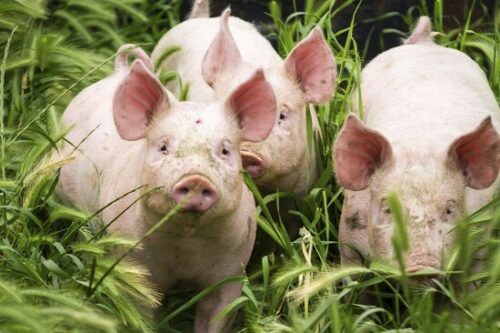
It’s important to note that these estimates are approximate and can vary based on individual circumstances and processing methods. Factors such as the age of the pig, its diet, and the processing techniques used can all influence the final yield of meat and other products. Additionally, processing methods such as butchering, trimming, and curing can affect the overall yield and quality of the meat obtained from a pig.
Using the Whole Pig for Bacon
Using the whole pig for bacon production is technically possible, but it’s not the most common practice due to the specific cut of meat typically used for bacon: the pork belly.
Bacon is traditionally made from pork belly, which is a fatty and flavorful cut of meat located on the underside of the pig. While other parts of the pig, such as the loin or jowl, can also be cured and smoked to produce bacon-like products, they have different textures and flavors compared to pork belly bacon.
Here are some considerations if you’re thinking about using the whole pig for bacon production:
- Variety of Bacon Products: While pork belly is the most common cut used for bacon, other parts of the pig can also be cured and smoked to produce bacon-like products. For example, Canadian bacon is made from the loin, while guanciale is made from the jowl. Utilizing different cuts of meat can result in a variety of bacon products with unique textures and flavors.
- Texture and Flavor Differences: Different cuts of meat will yield bacon products with varying textures and flavors. Pork belly bacon is known for its rich, fatty texture and pronounced flavor, while bacon made from leaner cuts like the loin may have a firmer texture and milder taste. Consider experimenting with different cuts to discover which bacon products you prefer.
- Processing and Preparation: Processing the whole pig for bacon production requires careful butchering and preparation to ensure that each cut of meat is properly cured and smoked. It’s essential to follow food safety guidelines and proper curing techniques to prevent contamination and ensure the safety of the final products.
- Minimizing Waste: Utilizing the whole pig for bacon production can help minimize waste by making use of parts of the animal that might otherwise be discarded. However, it’s important to consider how each cut of meat will contribute to the overall flavor and texture of the bacon products and to plan accordingly.
Bacon-making is both an art and a science, requiring careful selection of pigs, meticulous curing and smoking techniques, and adherence to food safety standards. Whether produced commercially or crafted at home, bacon continues to captivate taste buds and inspire culinary creativity around the world.
YouTube Channel: Farming South Africa
Facebook Page: Farming Life
Back To Home Page: Farming South Africa
Profitability of Pig Farming for Bacon Production