
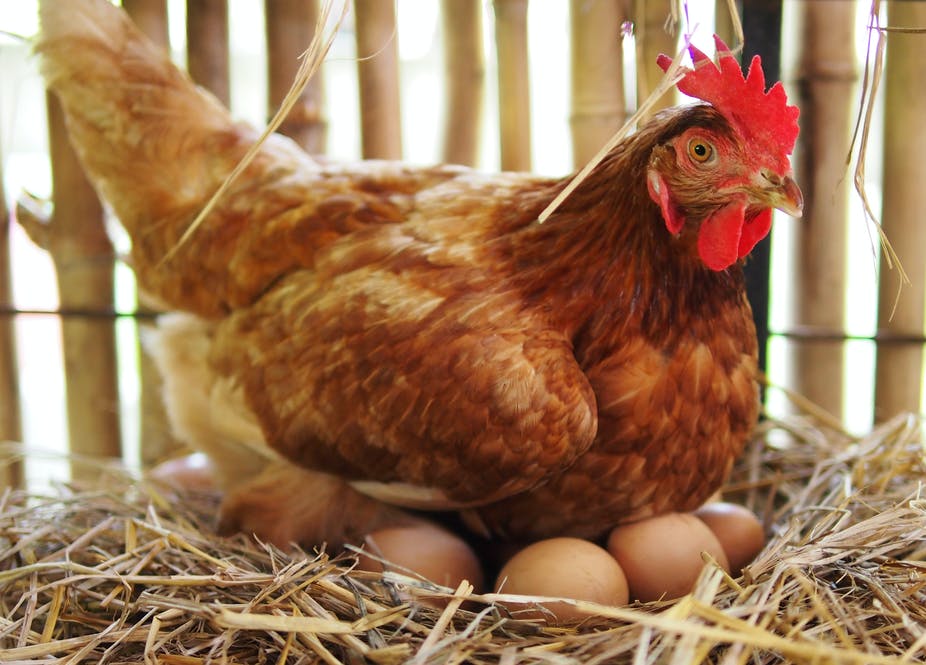
Boosting Egg Production in Cold Months: Tips for Backyard and Commercial Farmers
By Farming South Africa
Introduction
As winter sets in, egg production tends to drop — sometimes drastically. Whether you’re a backyard poultry keeper or running a commercial layer house, this seasonal dip can impact income and supply. The good news is that with the right adjustments, you can keep your hens laying consistently even in the coldest months.
Here’s how South African farmers can support their flocks during winter and maximise egg output.
1. Maintain Consistent Lighting
The science:
Chickens need 14–16 hours of light per day to maintain steady egg production. In winter, shorter daylight hours cause natural egg-laying cycles to slow down.
What to do:
- Install LED or energy-efficient lights in coops.
- Use timers to turn lights on before sunrise and off after sunset.
- Ensure light levels are evenly spread — dark corners discourage laying.
- Effect on Egg Production:
Chickens’ reproductive cycles are light-sensitive. In winter, short days signal hens to stop laying. Adding artificial light extends the perceived “day” to the optimal 14–16 hours, which stimulates the pituitary gland to continue hormone production, keeping eggs coming. - Result: Maintains consistent laying despite shorter days.
Tip: Avoid sudden light changes. Introduce extended lighting gradually to avoid stressing the flock.

2. Keep Hens Warm, Not Hot
Why it matters:
Hens use more energy in cold weather to stay warm, leaving less energy for egg production.
What to do:
- Insulate coops with cardboard, straw bales, or reflective foil insulation.
- Block direct drafts but maintain airflow to avoid dampness.
- Add extra bedding like wood shavings or straw for warmth and comfort.
Effect on Egg Production:
When hens are cold, they divert energy to maintain body heat, not produce eggs. Warmer environments reduce energy loss, keeping hens in better physical condition.
Result: More energy is available for egg production instead of heat regulation.
Warning: Don’t overheat the coop. A small heat source is acceptable in extreme conditions but can make birds dependent.
3. Improve Nutrition for Winter Needs
Why it matters:
Cold-weather birds need more calories and protein to maintain body temperature and lay eggs.
Feeding tips:
- Increase protein to 18–20% in winter rations.
- Add cracked maize, cooked grains, or sunflower seeds as energy boosters.
- Supplement with greens, kitchen scraps, or lucerne to mimic summer foraging.
Effect on Egg Production:
Laying eggs requires high levels of protein, calcium, and energy. In cold weather, hens need more food to stay warm, so unless their diet is adjusted, nutrient intake per egg drops.
Result: Higher-quality feed and supplements ensure hens have the resources to produce eggs consistently and with strong shells.
Extras:
- Add a vitamin and mineral premix to drinking water once a week.
- Offer grit and oyster shell to support digestion and eggshell strength.
4. Control Stress and Overcrowding
Stress lowers egg production. Common cold-season stressors include crowding, predators, and abrupt changes in care.
What to do:
- Avoid overcrowding — ensure 1 nesting box for every 4–5 hens.
- Keep routines predictable (feeding, cleaning, egg collection).
- Protect from predators that may become more desperate in winter.
Effect on Egg Production:
Stress causes a hormonal response (elevated cortisol), which inhibits ovulation in hens. Overcrowding, bullying, or predator fear can easily trigger this.
Result: Calm, low-stress environments lead to more regular laying patterns.
Tip: If introducing new birds, do it gradually and in neutral territory.
5. Monitor Health Closely
Respiratory infections, mites, and poor feather condition can spike in cold months, leading to production drops.
Prevention checklist:
- Dust birds for mites and lice monthly.
- Keep bedding dry and clean to reduce ammonia build-up.
- Isolate and treat sick birds quickly.
Look out for:
- Pale combs or wattles
- Diarrhoea or weight loss
- Sneezing or nasal discharge
Effect on Egg Production:
Sick hens stop laying. Respiratory infections, lice, or mite infestations drain energy and nutrients, interrupting laying cycles.
Result: Preventing illness ensures more birds stay healthy and productive.
6. Select the Right Breeds for Winter Laying
Not all breeds handle cold equally. Some slow down or stop laying when days get shorter, while others remain productive.
Top winter-laying breeds for South Africa:
- Rhode Island Red
- Australorp
- Hy-Line Brown
- Sussex
- Amberlink
Tip: Hybrid commercial layers tend to outperform traditional breeds in cold months when fed and housed properly.
- Effect on Egg Production:
Some breeds are genetically inclined to keep laying through cold months. For instance, Hy-Line Browns and Australorps have better feed conversion and cold tolerance. - Result: Breed selection ensures your flock remains productive even when conditions are less than ideal.
Winter doesn’t have to mean empty egg trays. With some planning, insulation, and nutritional support, both backyard and commercial farmers can maintain steady production through the colder months.
Want More Tips?
Subscribe to Farming South Africa for free weekly advice, feeding formulas, and poultry management tools.
Visit www.farmingsouthafrica.co.za
Facebook Page: Farming Life
Back To Home Page: Farming South Africa