

Is pig farming a good business?
In short, yes. Pig farming is a very profitable business if run correctly. We take a look at 20 Reasons to start farming with pigs.
- Steady Demand: Pork is a popular meat worldwide, leading to a consistent demand for pork products.
- Profit Potential: With proper management, pig farming can be a lucrative business.
- Short Breeding Cycle: Pigs have a relatively short gestation period and reach market size faster than many other livestock.
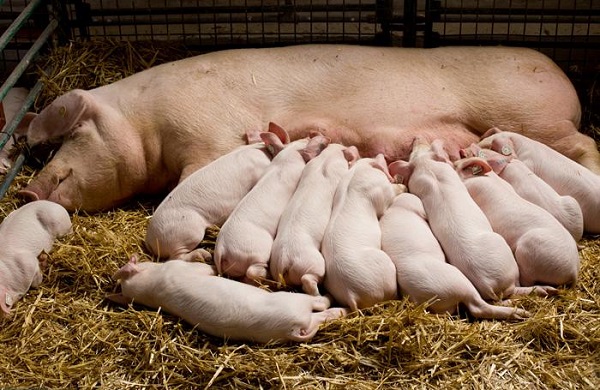
- High Reproduction Rates: Pigs tend to have large litters, which can increase your potential for profit.
- Versatile Product Line: Pigs offer a variety of products, including pork meat, bacon, sausages, and more.
- Value-Added Products: You can process pork into various value-added products, such as smoked hams, to increase profitability.
- Diversification: Pig farming can complement other agricultural activities on a farm, allowing for diversification.
- Manure for Fertilizer: Pig manure is a valuable organic fertilizer for crops.
- Utilization of Byproducts: Pigs can consume agricultural byproducts, reducing waste and disposal costs.
- Small-Scale Feasibility: Pig farming can be adapted to various scales, from small backyard operations to large commercial farms.
- Learning Opportunity: Starting a pig farm provides an opportunity to learn about animal husbandry and farm management.
- Local Food Movement: Consumers are increasingly interested in locally sourced, sustainable, and ethically raised meat products.
- Independence: Running a pig farm allows for greater control over your business and farming practices.
- Potential for Value Chain Integration: You can vertically integrate your business by breeding, raising, and processing pork products on your farm.
- Job Creation: Pig farming can create jobs for you and potentially for others in your community.
- Environmental Benefits: Properly managed pig farms can contribute to soil improvement and sustainable farming practices.
- Reinvestment: Profits from pig farming can be reinvested into your farm or other agricultural endeavors.
- Local Economic Impact: Successful pig farming can contribute to the economic development of your area.
- Meat Quality Control: As a pig farmer, you have control over the quality of the meat you produce.
- Rural Development: Pig farming can help revitalize rural areas by providing income opportunities.
Whether pig farming is a good business depends on various factors, including your location, market demand, resources, and your ability to manage the business effectively.
Here are some considerations to keep in mind
- Market Demand: The demand for pork products in your region or target market is a critical factor. Conduct market research to understand whether there is a consistent demand for pork and pork-related products. Consider factors like population growth, dietary preferences, and consumer trends.
- Location: The location of your pig farm matters. You should consider factors such as proximity to markets, transportation facilities, availability of feed sources, and regulatory requirements related to farming in your area.
- Resources: Pig farming requires space, equipment, and capital. You’ll need land for housing and grazing, pig pens, feeding equipment, and healthcare facilities. Calculate your initial investment and ongoing operational costs.
- Expertise and Knowledge: Successful pig farming requires a good understanding of pig behavior, health management, breeding, and nutrition. You may need to acquire relevant knowledge or hire experienced staff.
- Health and Biosecurity: Maintaining the health of your pigs is crucial. Implement biosecurity measures to prevent the spread of diseases, and have a plan for dealing with any health issues that may arise.
- Regulations: Familiarize yourself with local, state, and national regulations regarding pig farming. You may need permits, licenses, and compliance with animal welfare standards.
- Competition: Assess the level of competition in your area. If there are many pig farms, you’ll need to differentiate your products or find a niche market.
- Marketing and Sales: Consider how you’ll market and sell your pork products. Establishing relationships with local markets, restaurants, or direct-to-consumer sales can be important.
- Economic Factors: The profitability of pig farming can be influenced by economic factors like feed costs, market prices for pork, and inflation. Be prepared for fluctuations in these areas.
- Environmental Considerations: Pig farming can have environmental impacts. Ensure that you have plans for waste management and sustainability practices to minimize negative effects.
- Risk Management: Like any business, pig farming comes with risks. These can include disease outbreaks, market fluctuations, and natural disasters. Have a risk management plan in place.
- Long-Term Planning: Consider your long-term goals for the business. Do you want to expand, diversify, or exit the industry eventually? Having a clear vision can guide your decisions.
It’s essential to conduct a thorough feasibility study and create a comprehensive business plan before starting a pig farming venture. This plan should outline your goals, strategies, financial projections, and risk mitigation strategies. Additionally, seek advice from experienced pig farmers and consult with agricultural extension services in your area to gain valuable insights into the industry. Ultimately, the success of a pig farming business depends on careful planning, proper management, and adapting to changing market conditions.
Stats and Facts about pig farming
Pig popultion in South Africa
In 2021, the pig population in South Africa dwindled to 1.34 million individuals, marking a decline from the previous year when the count stood at 1.36 million. This continued a trend of decreasing pig numbers in South Africa since 2010. In 2020, the country recorded the slaughter of 3.61 million pigs.
Meat production Volume
In 2021, South Africa saw a total production of 3.6 million slaughtered pigs, representing a rise from approximately 3.5 million in the preceding year. Throughout the observed period, there was a consistent annual increase in the number of slaughtered pigs in the country, except for the year 2017.
Import Volume
Chicken emerged as the predominant meat type imported into South Africa, with nearly 346 thousand metric tons imported in 2021. Following closely were meat meal and turkey, with 63.2 thousand and 25.28 thousand metric tons, respectively. Additionally, around 24.31 thousand metric tons of pork meat were also imported into the country.
Leading producers of pork meat in Africa
In 2020, Nigeria and South Africa took the lead in pork meat production across Africa. Both nations contributed approximately 300 thousand metric tons of pig meat production during that year. In total, the African continent boasted a pig livestock population of approximately 44 million heads in 2020.
The monthly import of meat products by China during the period from July 2022 to July 2023.
In July 2023, China’s imports of animal meat products reached approximately 2.65 billion U.S. dollars, showing a marginal decline compared to the corresponding month in the preceding year. The total meat imports for the year 2023 surpassed 16 billion U.S. dollars.
Also see:
YouTube Channel: Farming South Africa
Facebook Page: Farming Life
Back To Home Page: Farming South Africa