
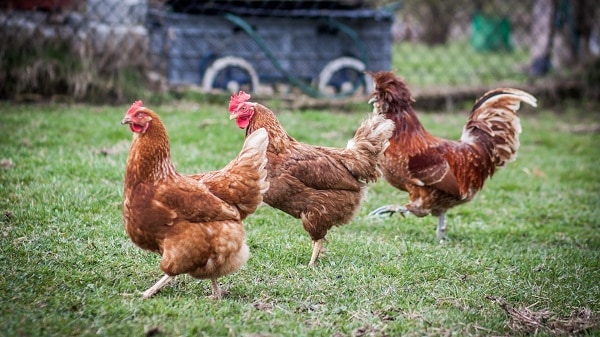
How to Run a Poultry Business from your Home
Running a poultry business from home can be a rewarding venture, but it requires careful planning and execution. Here’s a step-by-step guide to get started:
- Research and Planning:
- Research the local regulations and zoning laws regarding keeping poultry on your property.
- Determine the scale of your operation, considering factors like available space, time commitment, and market demand.
- Conduct market research to understand your target audience, competition, and pricing strategies.
- Create a Business Plan:
- Outline your business goals, target market, products (eggs, meat, or both), pricing, and marketing strategies.
- Calculate startup costs, including equipment, feed, housing, permits, and marketing expenses.
- Develop a budget and financial projections for at least the first year of operation.
- Set Up Your Infrastructure:
- Build or purchase suitable housing for your poultry, ensuring adequate space, ventilation, and protection from predators.
- Install necessary equipment such as feeders, waterers, lighting, and heating systems if required.
- Ensure proper waste management and biosecurity measures to prevent disease spread.
- Source Your Poultry:
- Decide on the type of poultry you want to raise (chickens, ducks, quails, etc.) based on your market research and personal preference.
- Purchase high-quality chicks or eggs from reputable hatcheries or breeders.
- Provide proper care and nutrition to ensure healthy growth and productivity.
- Manage Your Operation:
- Develop a feeding schedule and provide balanced nutrition to your poultry.
- Monitor the health of your birds regularly and take prompt action if any issues arise.
- Keep detailed records of expenses, sales, and production metrics to track the performance of your business.
- Implement effective marketing strategies to attract customers, such as online promotion, farmers’ markets, or local advertising.
- Comply with Regulations:
- Obtain any necessary permits or licenses required for operating a poultry business from your home.
- Follow food safety regulations and guidelines for handling and selling poultry products.
- Stay informed about any updates or changes in regulations that may affect your business.
- Scale Up and Diversify (Optional):
- Once your business is established, consider expanding your product offerings or increasing your production capacity to meet growing demand.
- Explore opportunities to diversify your revenue streams, such as selling poultry-related products (eggs, meat, feathers) or offering agritourism activities like farm tours or workshops.
- Continuous Learning and Improvement:
- Stay informed about advancements in poultry farming practices, technology, and market trends.
- Seek out educational resources, workshops, and networking opportunities to enhance your skills and knowledge.
- Solicit feedback from customers and adapt your business strategies accordingly to improve customer satisfaction and profitability.
Also see:
How much space do you need to farm with chickens at home
The amount of yard space needed for a poultry business can vary depending on several factors, including the type and number of poultry you plan to raise, local regulations, and the level of intensiveness of your operation. Here are some general guidelines:
- Chickens:
- For small backyard flocks of chickens raised for eggs or meat, you’ll typically need 2-4 square feet per bird in the coop and 8-10 square feet per bird in an outdoor run.
- If you’re raising chickens in a free-range or pasture-based system, you’ll need more space per bird to allow for natural foraging behavior. Aim for at least 25-50 square feet per bird or more, depending on the size of your property and local regulations.
- Ducks and Geese:
- Ducks and geese require more space than chickens due to their larger size and natural behaviors like swimming and foraging.
- Provide at least 4-6 square feet per bird in the coop and 10-20 square feet per bird in an outdoor run or paddock.
- If possible, provide access to a pond or water source for swimming and foraging.
- Quail and Other Small Poultry:
- Quail and other small poultry species can be raised in smaller spaces compared to chickens and ducks.
- Provide about 1 square foot per bird in the coop and 2-3 square feet per bird in an outdoor run or enclosure.
- Zoning and Regulations:
- Check your local zoning laws and regulations regarding keeping poultry on your property. Some areas may have minimum space requirements or restrictions on the number of birds you can keep based on lot size.
- Consider any setbacks or buffer zones required between poultry housing and neighboring properties.
- Space for Infrastructure:
- In addition to space for the birds themselves, you’ll need room for poultry housing (coops, shelters, pens), feed and water stations, and any other equipment or infrastructure needed for your operation.
- Plan for easy access to water and electricity for powering lighting, heating, and other equipment.
- Considerations for Free-Range and Pastured Systems:
- If you plan to raise poultry in a free-range or pastured system, you’ll need enough space for rotational grazing to prevent overgrazing and maintain pasture health.
- Divide your pasture or outdoor area into sections and rotate the birds to a new area periodically to allow vegetation to recover.

Ultimately, the amount of yard space you need will depend on the specific requirements of your chosen poultry species, your management practices, and any regulatory constraints in your area. It’s important to prioritize the health and welfare of your birds by providing adequate space, ventilation, and access to food, water, and shelter.
DIY Tips
See how to make a homemade water drinker for chickens
How to make a cheap chicken feeder
Remember that running a poultry business from home requires dedication, hard work, and patience. By following these steps and staying committed to providing high-quality products and excellent customer service, you can build a successful and sustainable business.
YouTube Channel: Farming South Africa
Facebook Page: Farming Life
Back To Home Page: Farming South Africa
How to Run a Poultry Business from your Home