
What you should know about Green Farming – One of the most important aspects of sustainable farming is incorporating green practices into the production cycle. One way to do this is through the use of green farming techniques.
What do you mean by green farming?
Organic farming, also known as ecological farming or biological farming, is an agricultural system that uses fertilizers of organic origin such as compost manure, green manure, and bone meal and places emphasis on techniques such as crop rotation and companion planting.
Green farming can refer to many different practices and methods, but at its heart it is about using natural methods to improve soil fertility, protect plants and animals, and conserve resources. Some of the most common green farming techniques include:
- composting
- crop rotation
- cover crops
- Ducks Unlimited’s natural perimeter protection program
- restoring prairies
- biodynamic farming
There are many benefits to applying these techniques to farming. For example, green farming can help improve soil fertility, which in turn helps crops grow healthily and produces more nutritious crops. It can also help protect plants and animals from pests and diseases, and conserve resources by using less water, land, and fuel.
Green farming is a growing movement, and there are many initiatives underway to help spread the message and promote its benefits. For example, the Environmental Working Group (EWG) has compiled a list of the 10 best practices for organic agriculture that can also be used in green farming systems. There are also many online resources available, including discussion boards, articles, and videos. So whether you are just starting out in green farming, or you are looking to improve your existing system, there is a wealth of information available to help you get started.
Is Green Farming Profitable?
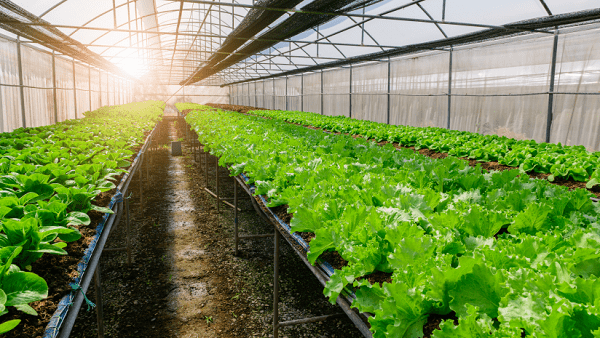
There is no one-size-fits-all answer to this question, but in general, crops that are grown in greenhouses or other controlled environments may be more profitable than crops that are grown outdoors. Greenhouses can be adapted to growing a variety of crops, and many varieties of plants that can be grown outdoors can be grown in greenhouses. Some crops that may be profitable to grow in greenhouses are tomatoes, peppers, zucchini, cucumbers, and eggplants.
How to start “Green Farming” in South Africa
A successful green farming business is one that is attentive to the environment while still producing a viable product. A few key things to keep in mind when starting a green farming business include:
Using natural methods whenever possible
Making sure compost is used
Minimizing use of pesticides and other chemicals
Creating an effective water management plan
Creating an appropriate habitat for beneficial insects and other creatures
Looking for ways to improve soil fertility
Starting small is often the best approach when launching a green farming business. Try organizing a workshop or educational event to introduce new residents to the benefit of sustainable farming practices. Establishing a Web presence to share news, advice, and resources with green farming aficionados is another important step.
Promote your products and services locally through special offers or farmer’s markets. And finally, stay focused on your goals and don’t be afraid to pivot as you learn more about the green farming business.
What is the Difference between Green Farming and Organic Farming
Organic farming relies on natural processes such as composting to help maintain soil fertility and prevent weed and insect infestations. Green” farming practices use soil-based composting, mulching, and other green management practices to increase soil fertility and prevent weed and insect infestations, while reducing runoff and energy use.
How much land is required for a small scale green farmer?
There is no universal answer to this question because the amount of land required to start green farming varies depending on the type of farming and the specific needs of the farm. Generally, however, green farming requires less land than conventional farming, so it can be a great way to conserve resources.
South Africa could be the leading green farming country in the word
South Africa has a great potential to be the leading green farming country in the world. The country has a temperate climate, fertile soils, and an ample supply of water. Additionally, South Africa has an abundant solar and wind energy resource.
There are many ways in which renewable energy can be used in South Africa. Solar power can be used to generate electricity, to run desalination plants, or to heat homes. Wind power can be used to generate electricity, to move cargo, to provide cooling and heating, or to operate large industrial farms.
Renewable energy is an important part of South Africa’s future. It is an important source of energy and it is a green technology. It can help South Africa reduce its dependence on fossil fuels. South Africa can also become a leader in the development of green technologies.
Farming in South Africa is complex
Farming in South Africa is a complex and intricate process. The history of farming in South Africa is full of challenges and triumphs. Over the years, the country has evolved from a subsistence agricultural economy to an advanced, industrialized economy. Today, South Africa is home to a diverse range of farming practices, from small-scale subsistence farming to large-scale commercial farming.
South Africa’s climate is humid and tropical. The country has a long, coastline on the Indian and Atlantic Ocean. The main soils are kaolin sand, dolomite, and limestone. These soils are poor in nutrients and are easily eroded.
The two main types of farming in South Africa are irrigated and dryland farming. Irrigated farming is used to grow rice, sugar cane, and other crops in areas that have access to reliable water supplies. Dryland farming is used to grow grains, tobacco, and other crops in areas that do not have access to reliable water supplies.
South Africa is a big country with a varied geography. The country has a relatively long coastline, and much of the interior is mountainous and inhospitable. This has led to the development of agricultural practices that are unique to South Africa. For example, the country is famous for its horticultural estates, which are large-scale commercial farms that are devoted to producing fruits, vegetables, and flowers.
South Africa is one of the world’s major food producers.
The country has a long, productive agricultural sector, which is responsible for a large part of the country’s economy. The sector is highly competitive, and the country is constantly trying to improve its agricultural productivity.
What you should know about Green Farming
YouTube Channel: Farming South Africa
Facebook Page: Farming Life
Back To Home Page: Farming South Africa