

Poultry Sector Hit Hard as Bird Flu Outbreaks Persist
What is Bird Flu
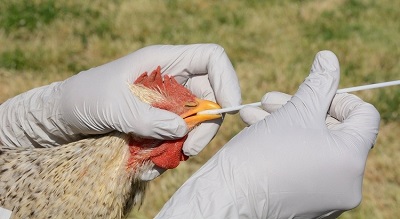
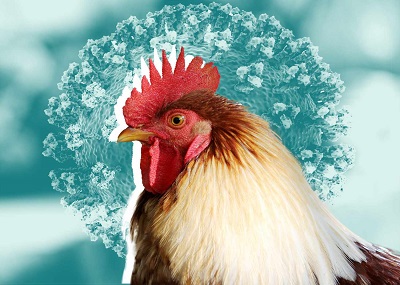
Bird flu, also known as avian influenza, is a viral infection that primarily affects birds, especially wild waterfowl and domestic poultry such as chickens, ducks, and turkeys. There are several strains of avian influenza viruses, and some of them can infect humans and other animals as well. The most well-known and concerning strain in this regard is the H5N1 subtype.
Dr. Abongile Balarane, the general manager of the Layer Organisation of SA Poultry, informed Farmer’s Weekly that the initial instances of H5N1 Highly Pathogenic Avian Influenza (HPAI) were observed among layer birds in the Western Cape in April. This particular strain is identical to the one currently affecting the majority of countries worldwide.
The poultry sector grapples with increasing financial setbacks amidst the ongoing Bird Flu outbreaks.
In June, a new strain, designated as H7N6, emerged in the Delmas region of Mpumalanga and has since spread throughout Mpumalanga, Gauteng, and the Free State.
Balarane revealed that more than 25 outbreaks have been documented thus far, resulting in the unfortunate loss of over four million chickens. He stated, “The South African poultry industry had already suffered losses of roughly three million chickens in previous years’ outbreaks, making this the most severe outbreak we have encountered to date. Estimated losses for the layer industry, which holds a gross domestic value of R11.5 billion, are projected to exceed R2 billion for the current year.”
Dr. Abongile Balarane reported that there have been over 25 recorded outbreaks, resulting in the unfortunate demise of more than four million chickens. He expressed, “The South African poultry industry had already incurred the loss of approximately three million chickens in the previous year’s outbreaks, marking this as the most severe situation we have encountered thus far. Projections indicate that losses in the layer industry, valued at R11.5 billion, are expected to exceed R2 billion for this year.”
Izaak Breitenbach, the general manager of the Broiler Organisation of SA Poultry, noted that primarily layers and broiler breeders have been affected. He explained, “Broilers face a lower risk, as they are typically sold at 32 to 34 days of age, while layers are raised for 74 weeks, and broiler breeders for 64 weeks.”
The novel strain appears to possess a similar level of contagiousness to the H5 strains. However, in contrast to previous strains where wild birds were the primary vectors of transmission, the new strain demonstrates a higher propensity to spread among chickens. As a consequence, poultry located in close proximity to areas affected by outbreaks face an elevated risk of infection, as noted by Breitenbach.
Balarane also remarked that H5N1 outbreaks had exhibited a somewhat seasonal pattern, typically occurring from late March or April until the conclusion of September or October. However, he emphasized, “We currently lack information regarding the behavior of the new strain, so its future behavior remains uncertain.”
Balarane emphasized that farmers could swiftly replenish their farms and prepare for the upcoming festive season, but only if they had the necessary financial resources. He pointed out, “Many countries worldwide receive compensation from their governments for their losses, which accelerates the recovery process for producers. South African producers were already facing tight profit margins due to elevated input costs even before the disease outbreak, and this situation only compounds their financial burden.”
In response to the outbreaks, numerous countries have initiated vaccination trials, with the expectation that vaccination will play a crucial role in disease control. For instance, France has commenced the vaccination of commercial duck flocks.
Balarane disclosed that the local poultry industry is engaged in discussions with the Department of Agriculture, Land Reform, and Rural Development to explore the potential use of vaccines in their battle against the disease. He remarked, “The adoption of vaccines against the H5 and H7 strains of avian influenza, similar to other poultry diseases, will serve as a valuable addition to the local industry’s biosecurity measures aimed at managing and mitigating disease risks.”
Poultry Sector Hit Hard as Bird Flu Outbreaks Persist
What can you do to help prevent Bird Flu
Preventing bird flu (avian influenza) involves a combination of measures aimed at reducing the risk of the virus spreading among poultry and from poultry to humans. Here are some actions that can help prevent bird flu:
- Good Biosecurity Practices:
- Maintain strict biosecurity measures on farms to limit the potential introduction of the virus.
- Restrict access to poultry farms and keep records of all visitors.
- Ensure proper sanitation of equipment, vehicles, and clothing used on the farm.
- Isolation and Quarantine:
- Isolate new birds from the existing flock for a quarantine period to monitor for signs of illness.
- Quarantine sick birds to prevent the spread of the disease within the flock.
- Wild Bird Control:
- Minimize contact between domestic poultry and wild birds, which can carry the virus.
- Use netting or other protective measures to keep wild birds away from poultry areas.
- Vaccination:
- Consider vaccinating poultry, especially in areas where bird flu is prevalent.
- Consult with veterinary experts to determine the most appropriate vaccination strategy.
- Proper Disposal of Carcasses:
- Dispose of dead birds properly, following local regulations and guidelines.
- Avoid leaving carcasses exposed where wild birds or scavengers can access them.
- Hygiene and Sanitation:
- Practice good personal hygiene when handling poultry, such as wearing gloves and washing hands thoroughly.
- Maintain clean and sanitized poultry housing and equipment.
- Monitoring and Reporting:
- Monitor your flock for any signs of illness, such as sudden increases in mortality rates.
- Report any suspected cases of avian influenza to local veterinary authorities promptly.
- Travel Restrictions:
- Avoid visiting other poultry farms or areas with known outbreaks.
- Implement strict measures when returning from regions with avian influenza cases.
- Education and Training:
- Educate farm workers and family members about the risks of bird flu and the importance of biosecurity measures.
- Follow Local Regulations:
- Comply with all local and national regulations related to bird flu prevention and control.
- Limit Contact with Sick Birds:
- Avoid contact with sick or dead birds, and do not consume poultry products from birds suspected of having avian influenza.
- Support and Collaboration:
- Collaborate with local veterinary authorities and health agencies to stay informed about the latest developments and guidelines.
Keep in mind that avian influenza can also pose a risk to humans, so it’s essential to take precautions when handling poultry and seek medical attention if you suspect exposure to infected birds. Public health authorities play a critical role in monitoring and managing the risk of bird flu in humans.
Here are some key points about Bird Flu
- Virus Strains: Bird flu is caused by influenza A viruses, and they are categorized based on the combination of two proteins on the virus’s surface: hemagglutinin (H) and neuraminidase (N). Various subtypes of avian influenza viruses exist, such as H5N1, H7N9, and H9N2. Among these, H5N1 and H7N9 have been associated with severe human infections.
- Transmission: Birds, especially waterfowl, are natural hosts for avian influenza viruses. These viruses can be transmitted to domestic poultry through direct contact with infected birds or contaminated surfaces. Human infections usually occur through close contact with infected birds, their droppings, or contaminated environments. In rare cases, human-to-human transmission has occurred.
- Symptoms: In birds, symptoms of avian influenza can vary but often include respiratory distress, a drop in egg production, and a high mortality rate. In humans, the symptoms can range from mild to severe and may include fever, cough, sore throat, muscle aches, and in severe cases, respiratory distress or organ failure.
- Pandemic Concerns: The concern with bird flu is the potential for these viruses to mutate and adapt in a way that allows efficient human-to-human transmission. Such a development could lead to a global pandemic, similar to what happened with the H1N1 influenza virus in 2009.
- Prevention and Control: Preventing and controlling avian influenza involves measures such as culling infected birds, quarantining affected areas, and implementing biosecurity measures on poultry farms. Vaccination of poultry can also be used to reduce the spread of the virus. In humans, antiviral medications can be used to treat severe cases.
Poultry Sector Hit Hard as Bird Flu Outbreaks Persist
It’s important to note that not all bird flu viruses are equally dangerous to humans, and not all outbreaks lead to widespread human infections. The World Health Organization (WHO) and various national health agencies closely monitor and respond to outbreaks of bird flu to prevent their potential spread to humans and to prepare for possible pandemics.
Poultry Sector Hit Hard as Bird Flu Outbreaks Persist
YouTube Channel: Farming South Africa
Facebook Page: Farming Life
Back To Home Page: Farming South Africa
Poultry Sector Hit Hard as Bird Flu Outbreaks Persist