
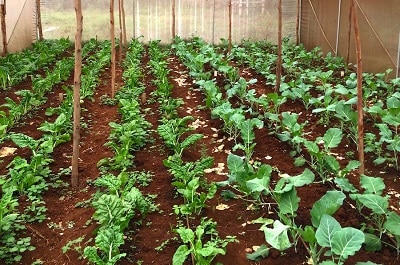
How to start farming with a small budget – Starting a farm with a small budget can be a challenging but achievable goal. Here are some tips to help you get started:
- Identify your target market: Determine what type of crops or livestock you want to raise, and research the demand for those products in your area.
- Start small: Begin with a small plot of land or a few animals, and gradually expand as your budget allows.
- Use low-cost methods: Consider using alternative farming methods such as raised beds or container gardening, which can reduce the costs of equipment and soil.
- Grow what you can sell: Prioritize crops or livestock that have a high market value and can be sold quickly to help you generate income.
- Find grants or loans: Look for government or nonprofit grants or loans specifically for small farmers, which can help you get started or expand your operation.
- Network with other farmers: Join local farmer groups or organizations to learn from others, get advice, and find potential customers or suppliers.
- Be efficient with resources: Reuse and recycle materials whenever possible, and minimize waste by composting and using natural pest control methods.
Remember that starting a farm is a long-term investment and requires hard work, dedication, and patience. By following these tips, you can get started on your farming journey with a small budget.
Tips to start a small scale but profitable farming business
Starting a small scale but profitable farming business requires careful planning and execution. Here are some tips to help you get started:
- Research the market: Determine what products are in demand in your area and how much they are selling for. Focus on crops or livestock that have a high market value and can be sold quickly to generate income.
- Start with low-cost crops: Consider starting with crops that have a low startup cost and can be grown in small spaces such as vegetables, herbs, or microgreens.
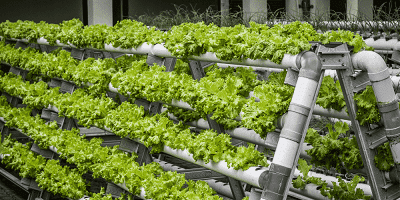
- Utilize vertical farming: Vertical farming involves stacking multiple layers of crops in a small space, allowing you to grow more crops in a smaller area and reducing the costs of land and equipment.
- Direct-to-consumer sales: By selling directly to consumers through farmers markets, Community Supported Agriculture (CSA) programs, or online platforms, you can avoid the costs and competition associated with middlemen and increase your profit margins.
- Focus on efficiency: Minimize waste and maximize yields by using sustainable farming practices such as composting, crop rotation, and integrated pest management.
- Diversify your products: Consider growing a variety of crops to spread out your risk and ensure that you have a steady stream of income throughout the year.
- Build a strong brand: Develop a strong brand and marketing strategy to differentiate your products from others and build a loyal customer base.
Remember, starting a small scale but profitable farming business takes time, effort, and dedication. By following these tips and continuously learning and improving your skills, you can build a successful and sustainable farming operation.
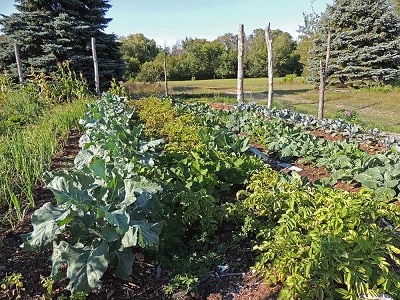
Vegetables with a high profit yield to plant on a small farm
When starting a small farm, it’s important to choose crops that have a high profit yield to maximize your return on investment. Here are some vegetables that tend to have a high profit margin and are suitable for small scale farming:
- Microgreens: Microgreens are young, tender plants that are grown from seeds and harvested after just a few days. They are high in nutrients and flavor, and can be sold for a premium price.
- Specialty mushrooms: Mushrooms like shiitake and oyster mushrooms can be grown in a controlled environment, such as a small greenhouse or grow room, and can fetch a high price due to their popularity and versatility in cooking.
- Leafy greens: Leafy greens like lettuce, spinach, and kale are fast-growing, low-maintenance crops that are in high demand and can be sold for a good price.
- Herbs: Herbs like basil, cilantro, and parsley are in high demand for cooking and have a long shelf life, making them a profitable crop to grow.
- Heirloom tomatoes: Heirloom tomatoes are prized for their unique flavor and appearance, and can fetch a higher price than regular tomatoes.
- Peppers: Both sweet and hot peppers are in high demand and can be sold for a good price.
- Root vegetables: Root vegetables like carrots, beets, and radishes have a long shelf life and can be sold for a good price.
It’s important to note that the profitability of crops can vary based on factors such as location, growing conditions, and market demand. Before planting, research the local market and growing conditions to determine which crops will be most profitable for your farm.
The benefits of vertical farming
Vertical farming is a method of growing crops in vertically stacked layers in a controlled environment, such as a greenhouse or indoor facility. Here are some reasons why you might consider starting a vertical farm:
- Increased yields: Vertical farming allows you to grow crops in a controlled environment, where you can optimize light, temperature, and nutrients to maximize yields. This results in higher yields per square foot of land compared to traditional farming methods.
- Reduced water usage: Vertical farms use hydroponic systems, which are much more water-efficient than traditional soil-based farming.
- Year-round production: Vertical farms can produce crops year-round, regardless of weather conditions, making them a reliable source of fresh produce.
- Reduced pesticide usage: Vertical farms use a controlled environment to reduce the need for pesticides, making the crops grown in this manner safer for consumption.
- Reduced land usage: Vertical farms can produce crops in a much smaller space compared to traditional farms, making them a more sustainable option for food production.
- Increased profitability: With increased yields and reduced costs for water, pesticides, and land, vertical farms can be a highly profitable option for farmers.
- Fresh, locally-grown produce: Vertical farms can provide consumers with fresh, locally-grown produce, reducing the need for transportation and helping to build a stronger local food system.
Overall, vertical farming can offer many benefits for farmers and consumers alike, including increased yields, reduced environmental impact, and improved profitability. If you’re considering starting a vertical farm, it’s important to carefully research the costs, technology, and market demand in your area to determine if it’s a viable option for you.
Animals that are affordable to farm with
When starting a small farm, it’s important to choose animals that are affordable to raise and have a good profit potential. Here are some animals that are generally more affordable to farm:
- Chickens: Chickens are easy to care for, and their eggs can be sold for a good price. You can start with just a few birds and expand your flock as your farm grows.
- Rabbits: Rabbits are small and easy to care for, and their meat is highly prized by many cultures. Rabbit fur can also be sold as a by-product.
- Goats: Goats are hardy and can be raised for their meat, milk, and fiber. They are also relatively inexpensive to feed and house.
- Pigs: Pigs are hardy and easy to care for, and their meat is highly valued by many cultures. Pork is a versatile and popular meat that can be sold at a good price.
- Bees: Bees are essential for pollination and are relatively low-maintenance. Honey and other bee products, such as beeswax and pollen, can be sold for a good profit.
- Quail: Quail are small and easy to care for, and their eggs are highly valued for their taste and size. Quail meat is also in demand and can be sold for a good price.
It’s important to note that the cost of raising animals can vary based on factors such as feed costs, housing, and veterinary care. Before starting any new animal operation, it’s important to carefully research the costs and market demand in your area to determine if it’s a viable option for you.
Can you make a living with small scale farming
Yes, it is possible to make a living with small scale farming. Many small scale farmers are able to generate enough income to support themselves and their families through the sale of their crops and livestock. The key to success in small scale farming is to carefully plan your operation, choose crops and livestock that are well-suited to your local conditions and market demand, and to manage your costs effectively.
Some small scale farmers also diversify their income by offering agritourism activities, such as farm tours, workshops, and on-farm events, or by selling value-added products like baked goods, preserves, and dairy products.
It’s important to note that making a living with small scale farming can be challenging, and success often requires hard work, dedication, and a willingness to learn and adapt to changing market conditions. It’s also important to have a solid business plan in place and to carefully manage your finances to ensure that your operation is sustainable over the long term.
Overall, making a living with small scale farming is possible, but it requires careful planning and hard work. With the right combination of skills, knowledge, and dedication, many small scale farmers are able to build successful and profitable businesses.
YouTube Channel: Farming South Africa
Facebook Page: Farming Life
Back To Home Page: Farming South Africa
How to start farming with a small budget