

Many farmers, even experienced farmers still does not know how to tell if a chicken is male of female. We will show you exactly how to tell the difference between sexing young day old chicks and 6 week chickens or older. Telling the difference of male or female in chickens is not hard when you know what to look for. Let’s answer the question that’s been asked by millions of people – How to see if a Chicken is Male or Female.
Why is it important to know if a chicken is male or female?
Firstly if you are going to farm intensively with chickens you need female chickens to produce eggs for human consumption or fertilized eggs to grow your flock. By not knowing if your chickens are male or female means that you could loose a lot of money by raising cocks instead of hens. Cocks (male chickens) are harder to sell and of course can not produce eggs. If you know how to identify the chickens sex at an early stage, you can sell the young cocks and make money instead of raising them and loose money.
It is also important to know how to sex chickens before you buy a batch. This being said means that you can identify the chickens before buying them and buy the exact type of chicken that you need for your farming business. Chicken farmers has a profit margin to work on and making some mistakes in the beginning can be extremely costly for any farmer.
Let get started by Vent Sexing
Vent sexing is a time consuming procedure at first but as you get more experienced it becomes much faster and you can check for hens or roosters by the hundreds in just an hour. It is important to keep your day old chick or chicken calm and always respect the chickens when you work with them.
Try to sex them while they are still very young as you can easily hold the chicken in your hand. Gently place the day old chicks head between your ring finger and pinky. This will allow you to push up the feathers on the back and see the vent area.
Venting is possibly the most accurate way to sex chicks, without long stretches of involvement. You need to gently squeeze the chick on the lower end to expose their internal parts. This does not hurt the chick.
The male chicken (or rooster) will make a bubble on on top of the chickens back-side while the female chicken (Hen) has no bubble. The bubble is actually the chickens genitalia as shown on the image below.

How to see if a Chicken is Male or Female
How to feather sex a young chicken
Feather sexing is a much easier method to determine if your chicken is male of female. This procedure should be done as young as possible as the window to feather sex them closes within a couple of days. Female chicks has feathers even before they hatch while roosters will grow them only a few days after they have hatched.
How to check for wing feathers – Gently stretch the chickens wings an look for wing feather development. A female’s wing will me much more visible and variety of lengths whereas the male chicken will more likably be the same length from feather to feather.


Sexing a chick by Posture
As you get more experienced as a chicken farmer you can start sexing them by watching their posture. There is a slight but distinctive stance between a male and a female chick. A male chick has a more prominent posture whereas the female chick has a more humble posture. By this I mean the male chick will stand out taller and holds it’s head high while the female chick will keep her neck pulled in most of the time.
This takes a while to master but once you have enough experience you there is no need to pick up the chick to see if it is a male or female.
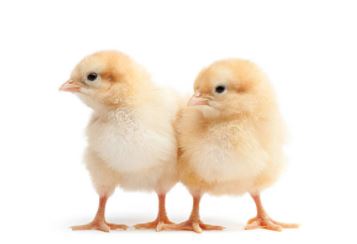
See if a Chicken is Male or Female
Identifying whether a chicken is male (cockerel/rooster) or female (pullet/hen) is an important skill for every poultry farmer. Knowing the sex of your chickens helps with flock management, breeding, egg production, and marketing. However, sexing chickens is not always easy, especially when they are still young.
This guide explains the different methods of telling if a chicken is male or female, from professional techniques to simple visual checks you can use on your farm.
Why Does It Matter?
- Egg Production: Only hens lay eggs, so farmers who want layers need to identify females early.
- Meat Production: Some farmers prefer to raise males for faster growth and bigger body size.
- Flock Management: Roosters are territorial and may fight, so knowing how many you have helps avoid aggression.
- Breeding: Roosters are needed for fertilized eggs, but usually one rooster is enough for 8–12 hens.
Methods of Sexing Chickens
1. Vent Sexing (Professional Method)
- Used by hatcheries.
- Involves examining the chick’s vent (cloaca) to look for small bumps that indicate a male.
- Very accurate but requires training and experience.
- Not recommended for beginners.
2. Feather Sexing
- Some commercial breeds are bred to show feather differences at hatching.
- In these cases, females have longer wing feathers, while males have shorter, even feathers.
- Works only with certain hybrid breeds.
3. Comb and Wattle Development
- Roosters develop larger, redder combs and wattles earlier than hens.
- Hens have smaller, paler combs until they approach egg-laying age.
- Best used once chickens are a few weeks old.
4. Size and Body Shape
- Males often grow faster and are bigger than females.
- Roosters have thicker legs, longer spurs, and a more upright stance.
- Hens are usually smaller with rounder bodies.
5. Feather and Tail Characteristics
- Roosters develop long, pointed saddle and sickle feathers near the tail.
- Hens have shorter, rounder tail feathers.
- This becomes clear around 12–16 weeks.
6. Behavioral Differences
- Roosters tend to be more aggressive and dominant.
- They may begin crowing from as early as 8–10 weeks.
- Hens are generally quieter and more focused on scratching and feeding.
Age and Accuracy of Sexing Methods
- Day-old chicks: Only professional vent sexing or feather-sexing works.
- 4–8 weeks old: Comb, wattles, and growth rate give good clues.
- 12–16 weeks old: Tail feathers and crowing make sex identification very clear.
Practical Tips for Farmers
- Don’t panic if you can’t tell right away — some breeds mature slowly.
- Keep good records if you’re raising both broilers and layers.
- Watch for aggression — too many roosters can injure hens.
- If raising chickens for eggs, remove extra roosters early to save on feed costs.
Chicken Tips
While sexing chickens can be challenging when they are still chicks, with practice it becomes much easier. Farmers can use physical traits like combs, wattles, feathers, and behavior to tell males from females as the birds grow. For commercial hatcheries, professional methods such as vent or feather sexing are used at day-old stage.
For small-scale farmers, patience and observation remain the most reliable tools. By correctly identifying males and females, you can manage your flock effectively and maximize profitability.

FAQ: How to See if a Chicken is Male or Female
1. How can I tell if my chicken is male or female?
You can identify a chicken’s sex by checking physical features like comb size, wattles, body size, feather shape, and behavior.
2. At what age can you tell if a chicken is male or female?
Most chickens can be sexed reliably between 6 and 12 weeks, though professionals can sex day-old chicks using specialized methods.
3. What is vent sexing in chickens?
Vent sexing is a professional method used at hatcheries where the cloaca of a chick is examined to identify tiny bumps indicating a male.
4. Can you sex a chicken at hatching?
Yes, but only through vent sexing or feather sexing, and it requires skill. Most backyard farmers wait a few weeks until physical traits become clearer.
5. What is feather sexing in chickens?
Feather sexing is used on certain hybrid breeds where females develop longer wing feathers than males at hatching.
6. Do male and female chicks look different?
Day-old chicks generally look the same, making it very difficult for untrained farmers to tell them apart.
7. Do roosters grow faster than hens?
Yes, roosters usually grow bigger and faster, with thicker legs and a more upright stance.
8. How do combs and wattles show the difference?
Roosters develop larger, redder combs and wattles earlier than hens, which have smaller and paler ones until maturity.
9. How do tail feathers help in sexing chickens?
Roosters develop long, pointed saddle and sickle feathers, while hens have shorter, rounded tail feathers.
10. Can behavior help identify male and female chickens?
Yes, roosters tend to be more aggressive, dominant, and may start crowing as early as 8–10 weeks, while hens are quieter.
11. Do all roosters crow early?
Not always. Some roosters may crow at 8 weeks, while others may only start much later.
12. How many roosters should I keep in my flock?
Generally, one rooster is enough for 8–12 hens. Too many roosters can stress or injure the hens.
13. Is it easier to sex broilers or layers?
The methods are the same, but some commercial layer breeds are bred for feather sexing, making it easier at hatching.
14. Why is it important to know the sex of chickens?
It helps with flock management, breeding, feed budgeting, and deciding whether to focus on egg or meat production.
15. Can DNA testing be used to sex chickens?
Yes, DNA testing is the most accurate method, but it is expensive and not commonly used in small-scale farming.
Farming South Africa – How to see if a Chicken is Male or Female
YouTube Channel: Farming South Africa
Facebook Page: Farming Life
Back To Home Page: Farming South Africa
Tags: How to Sex Chickens: Male or Female, how to see the difference between a male and female chicken, is my chicken male or female, how to tell chickens apart, what is my chickens sex, how to see if my chicken is male or female, How to see if a Chicken is Male or Female
2 thoughts on “How to see if a Chicken is Male or Female”