
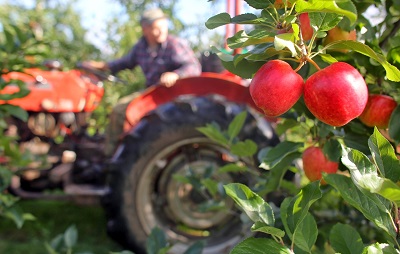
Farming South Africa Livestock and Agriculture, Stats and Production History
South Africa’s agricultural landscape is a tapestry woven with centuries of tradition and innovation. The nation’s fertile soils and diverse climates have made it a veritable breadbasket, providing sustenance to its population and exporting bounty to the world. At the core of this agricultural story lies the dynamic partnership between livestock farming and crop cultivation, where pastoral traditions meet modern agribusiness. In this exploration, we embark on a journey through the farms and fields of South Africa, unraveling the intricate threads of livestock husbandry and agricultural practices that form the foundation of this vibrant sector.
Agriculture in South Africa makes up roughly 5% of the country’s formal employment, a comparatively modest figure when contrasted with other regions in Africa. This percentage is on a declining trend. Additionally, agriculture in South Africa also engages casual laborers and contributes approximately 2.6% to the nation’s GDP. Given the arid nature of the land, only 13.5% of it is suitable for crop production, with merely 3% classified as high-potential land.
Farming Ranks FAOSTAT
As per FAOSTAT (Food and Agriculture Organization Corporate Statistical Database) data, South Africa ranks among the top global producers in various agricultural categories:
- Chicory roots (4th)
- Grapefruit (4th)
- Cereals (5th)
- Green maize and maize (7th)
- Castor oil seed (9th)
- Pears (9th)
- Sisal (10th)
- Fiber crops (10th)
Additionally, South Africa’s dairy industry comprises approximately 4,300 milk producers, offering employment to 60,000 farm workers and positively impacting the livelihoods of approximately 40,000 others.
Farming South Africa Livestock and Agriculture – See the ranks
The South African government set a target to transfer 30% of productive farmland to previously disadvantaged black individuals by 2014. Land reform efforts have faced criticism from both farmers’ groups and landless workers. The latter argue that the pace of change has been slow, while the former raise concerns about perceived racist treatment and the possibility of a situation similar to Zimbabwe’s land reform policy. These concerns were exacerbated by comments from former deputy president Phumzile Mlambo-Ngcuka.
On February 27, 2018, the National Assembly initiated a process to amend the Constitution, allowing for land expropriation without compensation.
The government has faced accusations of either dedicating too much or too little effort to address the issue of farm attacks, as compared to other forms of violent crime.
Certain predictions indicate that surface water supply in parts of the Western Cape could decline by as much as 60% by the year 2070. In response to the damage caused by land mismanagement, the government has endorsed a program that promotes sustainable development and responsible use of natural resources.
Maize production, a vital component contributing to 36% of the gross value of South Africa’s field crops, has also been adversely affected by the impacts of climate change. The estimated value of these losses, accounting for scenarios with and without the carbon dioxide fertilization effect, spans from tens to hundreds of millions of Rands.
Farming History in South Africa
Based on prehistorical archaeological evidence of pastoralism and farming in southern Africa, ancient settlements closely related to Bantu language-speaking peoples were discovered just beyond the present-day South African border region. These settlements have been found in the southernmost region within the borders of what is now Mozambique, dating back to 354–68 BCE. In South Africa itself, evidence of pastoralism and farming has been unearthed primarily in what was the Transvaal province, with findings dating from 249–370 CE.
The earliest written records of farming life in South Africa by Europeans date slightly after 1500 CE.
Farming Production in SA
In 2018, South Africa demonstrated its significant agricultural production capacity by producing substantial quantities of various crops. Here is an overview of some of the major crops and their global rankings in terms of production:
- Sugarcane: South Africa produced 19.3 million tonnes, ranking as the 14th largest producer in the world.
- Maize: The country produced 12.5 million tonnes of maize, making it the 12th largest producer globally.
- Grapes: South Africa harvested 1.9 million tonnes of grapes, ranking as the 11th largest producer worldwide.
- Oranges: The production of oranges amounted to 1.7 million tonnes, also ranking 11th globally.
- Pears: South Africa produced 397 thousand tonnes of pears, securing the 7th spot among the largest producers worldwide.
Additionally, South Africa produced significant quantities of other crops in 2018, including 2.4 million tonnes of potatoes, 1.8 million tonnes of wheat, 1.5 million tonnes of soy, 862 thousand tonnes of sunflower seeds, 829 thousand tonnes of apples, 726 thousand tonnes of onions, 537 thousand tonnes of tomatoes, 474 thousand tonnes of lemons, 445 thousand tonnes of grapefruits, 444 thousand tonnes of bananas, and 421 thousand tonnes of barley. The country also had smaller productions of various other agricultural products, including avocados, pineapples, peaches, tangerines, pumpkins, cabbage, carrots, rapeseed, sorghum, and more.

South Africa Farming and Agriculture – Production in SA
Crops
Cereals and Grains
Grains and cereals have held a position of paramount importance in South Africa’s agriculture, covering over 60 percent of cultivated hectares during the 1990s. Among these crops, maize stands as the cornerstone, serving not only as a dietary staple but also as a vital source of livestock feed and a significant export commodity. Government initiatives, featuring generous loans and extension services, played a pivotal role in achieving self-sufficiency in maize production. Maize cultivation is concentrated in provinces such as North-West, Mpumalanga, Free State, and KwaZulu-Natal. By the mid-1990s, maize production created a substantial job market, generating around 150,000 jobs in years with favorable rainfall and consuming nearly half of the inputs within the modern agricultural sector. As of 2018, South Africa’s maize production reached 12.5 million tonnes.
Wheat production, largely mechanized and situated on large farms, saw growth after World War II. It extended from the western Cape, where rainfall is relatively consistent, to areas like the Orange Free State and the eastern Transvaal in response to increased consumer demand. In 2018, South Africa’s wheat production amounted to 1.8 million tonnes.
Other small grains are cultivated in specific regions of South Africa. For instance, sorghum, a native crop to southern Africa, is grown in parts of the Free State, North-West, and the Northern provinces, often yielding over 200,000 tons as of the mid-1990s. Sorghum has been a staple for food and brewing purposes since prehistoric times. Barley is another crop grown, primarily in the Western Cape, with 421,000 tonnes produced in 2018.
South Africa also cultivates peanuts, sunflower seeds, beans, and soybeans as part of its diverse agricultural portfolio – South Africa Farming and Agriculture
Fruit and wine farming
During the mid-1990s, fruits, including grapes for wine production, played a substantial role in South Africa’s agricultural exports, contributing up to 40 percent of earnings in certain years. The popularity of fresh fruit in European markets was particularly noteworthy due to its availability during the northern hemisphere’s winter season.
Deciduous fruits, such as apples, pears, and peaches, thrived mainly in regions of the Western Cape and the Eastern Cape, where the combination of cold winters and dry summers created ideal growing conditions. During the early 1990s, nearly 1 million tons of deciduous fruits were either sold fresh locally or exported.
Pineapples were predominantly cultivated in the Eastern Cape and KwaZulu-Natal, while tropical fruits like bananas, avocados, and mangoes found suitable growth conditions in the northeast and various coastal areas. A significant portion of citrus production, exceeding half in most years, was exported.
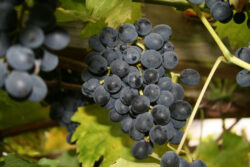
Fruit and wine farming
South Africa boasted a renowned wine industry dating back to the seventeenth century when French Huguenot immigrants introduced vineyards. By the mid-1990s, more than 1.5 million tons of grapes were used domestically in this industry. Over 100,000 hectares of land were dedicated to vineyards, primarily centered in the Western Cape. Smaller vineyards also existed in the Northern Cape, Free State, and Northern Province.
Sugarcane
Sugarcane holds significant importance as an export crop, with South Africa ranking as the world’s 14th largest sugar producer in 2018. The cultivation of sugarcane in South Africa traces its origins to the mid-nineteenth century in Natal. While production remains centered in Natal, sugarcane is also grown in Mpumalanga, where irrigation is employed during periods of insufficient rainfall. In the year 2018, the country produced over 19 million tons of sugarcane.
South Africa Farming and Agriculture Statistics
Here is a list of various commodities along with their production figures for the year 2009 in South Africa:
- Poultry: 23,165 units
- Maize: 16,346 units
- Cattle and calves: 12,808 units
- Wheat: 6,356 units
- Milk: 9,138 units
- Deciduous and other fruit: 8,040 units
- Vegetables: 7,843 units
- Sugar cane: 4,769 units
- Citrus: 4,628 units
- Potato: 4,058 units
These figures represent the production quantities for each commodity in South Africa for the specified year.
Here is a comparison of the production figures for important field crops in South Africa for the years 2009 and 2015 (fifth forecast), measured in tons:
- Canola:
- 2009: 40,350 tons
- 2015: 101,500 tons
- Sugar cane:
- 2009: 20,411,000 tons
- 2015 (forecast data not provided)
- Malting barley:
- 2009: 216,000 tons
- 2015: 357,487 tons
- Maize:
- 2009: 12,567,000 tons
- 2015 (forecast data not provided)
- Vegetables:
- 2009: 2,442,000 tons
- 2015 (forecast data not provided)
- Citrus:
- 2009: 2,218,000 tons
- 2015 (forecast data not provided)
- Wheat:
- 2009: 1,928,000 tons
- 2015: 1,501,190 tons
- Deciduous and other fruit:
- 2009: 1,829,000 tons
- 2015 (forecast data not provided)
- Sunflower seed:
- 2009: 833,000 tons
- 2015 (forecast data not provided)
- Subtropical Fruit:
- 2009: 655,000 tons
- 2015 (forecast data not provided)
These figures provide a comparison of crop production levels between the two specified years, showcasing changes and trends in South Africa’s agriculture. Please note that the 2015 data includes a fifth forecast, and figures for some crops are not available in the forecast data.
Thriving Livestock Farming in South Africa: A Key Player in the Agricultural Landscape
Farming in South Africa has a rich history deeply intertwined with the nation’s cultural and economic fabric. Among its diverse agricultural sectors, the livestock industry stands out as a vital contributor to the country’s food security, employment, and economic growth. South Africa’s livestock sector encompasses a wide range of activities, including cattle, sheep, goats, pigs, and poultry farming, making it an integral part of the country’s agricultural landscape.
Cattle Farming
Cattle farming is a cornerstone of South Africa’s livestock sector, and it has deep historical roots in the nation. South Africa is home to various cattle breeds, including the indigenous Nguni and Afrikaner breeds, as well as exotic breeds such as Angus and Hereford. The cattle industry serves multiple purposes, from meat production to dairy farming. It plays a crucial role in providing a source of livelihood for many rural communities.
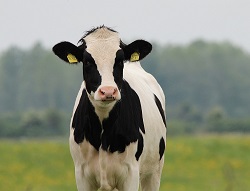
Dairy and Meat Farming
Meat Production
South Africa’s beef industry is significant both for domestic consumption and export. The country produces high-quality beef through a mix of commercial and small-scale farming operations. The beef value chain includes various stages, from breeding and raising cattle to processing and distribution. Beef consumption in South Africa is substantial, with beef being a staple in many households. Additionally, South African beef enjoys an excellent reputation internationally, contributing to export opportunities.
Dairy Farming
Dairy farming in South Africa has also experienced growth and modernization in recent years. Various breeds of dairy cows are raised to meet the growing demand for milk and dairy products. The sector has benefited from advancements in technology and genetics, resulting in increased milk yields and improved product quality. Dairy farms are spread across the country, with the Western Cape and KwaZulu-Natal being prominent dairy-producing regions.
Sheep and Goat Farming
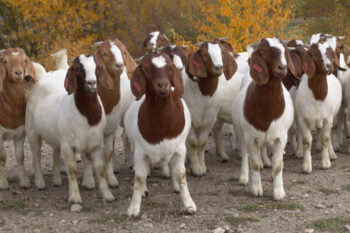
Sheep and goat farming are prominent in South Africa, and these animals are raised for both meat and wool production. The country boasts a diverse range of sheep breeds, including the iconic Merino breed, which produces high-quality wool. Meat from sheep and goats is a significant component of South Africa’s red meat industry. Farmers utilize traditional and modern practices to meet domestic demand and explore export opportunities.
Pig Farming
Pig farming has seen growth in South Africa, driven by an increased demand for pork products. The industry is characterized by a mix of small, medium, and large-scale producers. Modern pig farming practices, biosecurity measures, and improved genetics have enhanced productivity in this sector. South African pork products are popular both domestically and in international markets.

Poultry Farming
Poultry farming is a booming industry in South Africa. Chicken production, in particular, has witnessed tremendous growth due to its affordability and versatility as a protein source. The sector comprises broiler (meat), layer (egg-laying), and turkey farms. South Africa has strict biosecurity measures in place to ensure the health of poultry flocks. Poultry farming is not only a significant source of animal protein but also a major employer in the country.
Challenges and Opportunities
While South Africa’s livestock sector presents numerous opportunities, it also faces various challenges. These include:
- Disease Outbreaks: Livestock diseases like Foot-and-Mouth Disease can disrupt the industry and impact exports.
- Land Reform: Land reform policies and land tenure issues can affect the stability of livestock farming.
- Climate Change: Climate variability can lead to droughts and other extreme weather events, affecting livestock feed and water availability.
- Market Access: Access to international markets for livestock products can be hindered by regulatory barriers and sanitary measures.
The livestock sector in South Africa plays a pivotal role in the nation’s agricultural landscape, contributing to food security, employment, and economic growth. It encompasses a diverse range of farming activities, from cattle and sheep farming to poultry and pig production. While facing challenges related to diseases, land reform, and climate change, the industry continues to evolve and adapt, offering ample opportunities for both small-scale and commercial farmers. With ongoing investments in technology, research, and infrastructure, South Africa’s livestock sector is poised for a promising future in the nation’s agricultural and economic development.
Agricultural cooperatives
There are a number of Agricultural cooperatives in South Africa, including:
- KAL Group
- Sentraal-Suid Koöperasie
- Oos Vrystaat Kaap Kooperasie
- BKB Limited
- (VKB group) Vrystaat Kooperasie Beperk
- (NTK) Noord Transvaal Kooperasie
- Karakoel en Lewendehawe Koöp Beperk (KLK)
- Die Humansdorpse Koöperasie, trading as The Co-op
A lot of the cooperatives have changed with time in line with the changes in their individual business strategies.
Droughts
In 2015, South Africa faced the most severe drought it had encountered in three decades. This catastrophic drought had devastating consequences for the agricultural sector, leading to substantial crop losses and significant livestock casualties. The impact was felt by farmers across the country, who struggled to maintain their livelihoods.
Additionally, South Africa’s reservoirs and dams experienced a marked decline in water levels during this period. One notable example was the Pongolapoort dam, which saw its water levels plummet by a staggering 20% in just one year. This drought-induced water scarcity had far-reaching effects on various sectors beyond agriculture, including water supply and overall ecosystem health, making it a significant and challenging event for the nation.
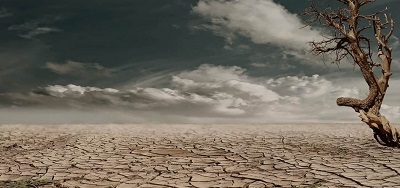
South Africa Farming and Agriculture – 2015 South Africa had the most severe drought in 3 decades
Farming institutes in south africa to Contact in SA
- Department of Agriculture (South Africa)
- South African Chamber for Agricultural Development in Africa
- Animal husbandry in South Africa
- South African farm attacks
- Western Cape 2012 Farm Workers’ Strike
Farming South Africa Production Stats – YouTube Channel: Farming South Africa
South Africa Farming and Agriculture – Facebook Page: Farming Life
South Africa Farming and Agriculture – Back To Home Page: Farming South Africa
South Africa Farming and Agriculture
Tags for this post: South Africa Farming and Agriculture, South Africa Farming, South Africa Agriculture, South African, Farming