

Farming in South Africa | Agriculture | Crop and Livestock Farming
Farming in South Africa | Agriculture | Crop and Livestock Farming – Livestock and Crop Farming in South Africa – is a cornerstone of the nation’s economy and heritage. With a diverse range of climates and landscapes, the country supports a wide array of agricultural activities that contribute to food security, job creation, and rural development. This article delves into the multifaceted world of farming in South Africa, exploring its challenges, innovations, and the resilient spirit of its farmers.
A Tapestry of Agriculture: From the sun-drenched vineyards of the Western Cape to the vast maize fields of the Free State’s, agricultural landscape is a testament to its geographical diversity. Each region offers unique opportunities and challenges, shaping the kinds of crops and livestock that flourish.
Feeding the Nation: Agriculture is the backbone of food security. Its role in providing fresh produce, staple crops, and livestock products to local markets and beyond is pivotal. By embracing sustainable practices and modern technologies, farmers ensure that the nation’s tables are well-stocked.
Challenges and Solutions: It is not without its challenges. Erratic weather patterns, water scarcity, and economic fluctuations test the resilience of farmers. However, these challenges have spurred innovation. Drought-resistant crops, water-efficient irrigation methods, and precision farming technologies are among the solutions that farmers are implementing to overcome obstacles.
Empowering Rural Communities: Farming plays a crucial role in rural development, providing employment and economic stability to communities across the country. Small-scale farming initiatives empower local residents, fostering self-sufficiency and reducing unemployment rates.
Technological Advancements: The landscape has embraced technology with open arms. Precision agriculture, data-driven decision-making, and digital platforms have revolutionized how farmers manage their operations. Remote monitoring, drones, and climate modeling tools enhance efficiency and sustainability.
Sustainable Practices: Sustainability is at the forefront of modern farming practices. Organic farming, agroforestry, and integrated pest management are gaining traction, reducing the environmental impact of agriculture while preserving the land for future generations.
The Wine Industry: A Global Contender: The wine industry has gained international recognition for its high-quality wines and breathtaking vineyard landscapes. Wine tourism contributes significantly to the economy, showcasing the synergy between agriculture and tourism.
Championing Biodiversity: The unique flora and fauna are a testament to its biodiversity. Conservation farming practices promote the coexistence of agriculture and nature, fostering sustainable ecosystems that benefit both farmers and wildlife.
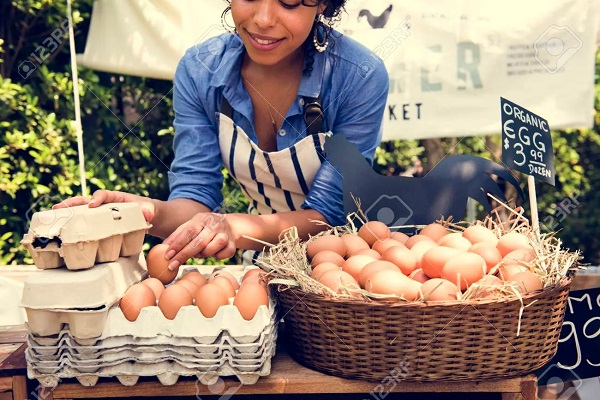
Women in Agriculture: Breaking Barriers: Women are playing an increasingly pivotal role in South African agriculture. From farm management to agribusiness leadership, women are breaking down gender barriers and contributing to the sector’s growth.
Farming in South Africa | Agriculture | Crop and Livestock Farming
Education and Collaboration: Building a Brighter Future: Farming education and knowledge-sharing platforms are essential for the sector’s growth. Agricultural colleges, research institutions, and farmer associations collaborate to disseminate best practices, technological advancements, and sustainable methods.
Shaping Tomorrow: The Future of Farming in South Africa
As SA stands at the crossroads of a rapidly changing world, the future of farming is undergoing a transformation that is both promising and challenging. Factors such as climate change, technological advancements, sustainability goals, and socioeconomic shifts are reshaping the agricultural landscape. This article explores the exciting prospects and key trends that will define the future of farming in SA.
Climate-Smart Agriculture: Navigating Climate Change: Climate change poses significant challenges for SA agriculture, with altered rainfall patterns, increased temperatures, and more frequent extreme weather events. The future requires innovative solutions such as drought-resistant crops, precision irrigation, and climate-resilient farming practices to ensure food security while minimizing environmental impact.
Digital Revolution: Precision and Data-Driven: Technology is a game-changer in farming’s future. The proliferation of IoT devices, satellite imagery, and data analytics will empower farmers with real-time information. Precision farming techniques, such as variable-rate fertilization and automated machinery, will optimize resource use and increase productivity.
Urban Farming and Vertical Agriculture: Cultivating in New Spaces: The rise of urbanization is prompting the exploration of alternative farming methods. Urban farming and vertical agriculture enable food production within city limits, reducing transportation costs and enhancing local food access.
Agribusiness and Value Addition: Beyond the Field: Farmers are diversifying their income streams by engaging in agribusiness ventures. Value addition through processing, packaging, and branding creates opportunities for enhanced profitability while contributing to the growth of the rural economy.
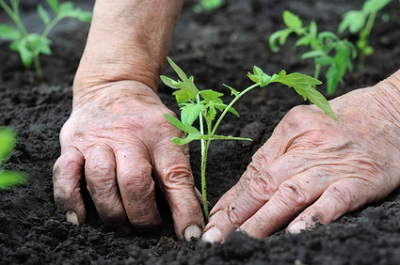
Sustainable Practices and Conservation Agriculture: A Necessity: Sustainability is a driving force for the future of farming. Conservation agriculture practices, such as minimal soil disturbance and cover cropping, promote soil health, water conservation, and reduced chemical usage.
Farming in South Africa | Agriculture | Crop and Livestock Farming
Youth and Women Empowerment: The New Face of Farming: Young farmers and women are increasingly contributing to the sector’s growth. The integration of technology, innovative farming methods, and entrepreneurship is redefining farming’s demographics and bringing fresh perspectives to the field.
Alternative Protein Sources: Rethinking Food Security: As the global demand for protein rises, alternative sources like insect farming and plant-based proteins are gaining traction. SA’s diverse flora and fauna offer unique opportunities for sustainable protein production.
Circular Economy and Waste Management: Closing the Loop: The concept of the circular economy is gaining prominence. Farmers are finding ways to minimize waste, recycle organic materials, and harness byproducts for energy generation, contributing to a more efficient and sustainable agricultural system.
Policy and Support: Enabling a Vibrant Future: Government policies, funding, and research support are crucial for fostering agricultural innovation and development. Investments in infrastructure, research, and extension services will play a pivotal role in shaping the sector’s future.
Collaboration and Knowledge Exchange: Unity for Progress: The future of farming thrives on collaboration. Platforms for sharing knowledge, best practices, and experiences will facilitate the adoption of new technologies and sustainable practices across the agricultural community.
South Africa boasts a market-oriented agricultural economy that plays a crucial role in both the nation’s economy and its global trade relationships. Here, we delve into the features, strengths, and challenges of SAs market-oriented agricultural sector:
Market Orientation and Key Characteristics
- Diverse Agricultural Landscape: SA’s varied climate and geography support the production of a wide range of agricultural products, including crops, livestock, and horticulture.
- Export-Oriented: The country is a significant player in global agricultural trade. Exporting agricultural products such as citrus fruits, wines, macadamia nuts, and more, the agricultural sector is a major contributor to foreign exchange earnings.
- Commercial and Small-Scale Farming: The agricultural landscape comprises both large commercial farms and small-scale subsistence farms. This dual structure reflects the country’s economic diversity and addresses various food security challenges.
- Private Sector Dominance: The private sector, including commercial farmers, agribusinesses, and value chain players, is a driving force behind the country market-oriented agriculture.
Strengths:
- Diverse Products: Agricultural diversity enables the production of commodities for local consumption and high-value products for export markets.
- Global Competitiveness: The country’s agriculture is internationally competitive, benefiting from advanced technologies, research, and efficient supply chains.
- Export Opportunities: Access to international markets allows local farmers to capitalize on export demand, contributing to economic growth.
- Job Creation: The agricultural sector provides employment opportunities for a significant portion of the population, especially in rural areas.
Challenges:
- Land Reform: Addressing historical land ownership imbalances remains a challenge, with ongoing efforts to ensure equitable land redistribution without compromising productivity.
- Climate Change: Erratic weather patterns, droughts, and water scarcity pose risks to agricultural productivity and food security.
- Socioeconomic Disparities: Despite its strengths, the sector faces inequalities in terms of access to resources, markets, and technology between large commercial farms and small-scale farmers.
- Rising Costs: Input costs, such as fuel and electricity, can impact profitability for farmers and agribusinesses.
Government Involvement and Policy:
- Agricultural Policy: The government plays a role in shaping agricultural policy to promote sustainable growth, rural development, and food security.
- Support Programs: Various support initiatives and programs aim to uplift small-scale farmers, improve infrastructure, and enhance market access.
- Trade Relationships: South Africa engages in bilateral and multilateral trade agreements to expand agricultural exports and secure favorable market access.
Farming in South Africa | Agriculture | Crop and Livestock Farming
Future Prospects:
South Africa’s market-oriented agricultural economy is poised for growth and innovation. Embracing technology, sustainable practices, and value addition will further enhance its global competitiveness while addressing domestic challenges. Collaborative efforts between the public and private sectors, coupled with an emphasis on knowledge sharing and capacity building, will shape a dynamic future contributing to the nation’s prosperity and food security.
Farming Demand in South Africa
The demand for farming in South Africa is driven by a combination of factors, including domestic consumption, export markets, population growth, changing dietary preferences, and global trends.
Here’s an overview of the key drivers of farming demand in SA:
1. Food Security and Domestic Consumption: South Africa’s growing population requires a consistent and diverse supply of food. Farming plays a critical role in meeting the country’s food security needs by producing staple crops, fruits, vegetables, meat, and dairy products that form the foundation of the national diet.
2. Export Markets: South Africa is a major player in global agricultural trade. Demand for local agricultural products in international markets fuels production. Exports include products like citrus fruits, wines, macadamia nuts, avocados, and more. Quality and safety standards in export markets contribute to the need for efficient and modern farming practices.
3. Urbanization and Changing Dietary Preferences: As urbanization increases, consumer preferences evolve. There is a growing demand for convenience foods, processed products, and specialty items. This shift influences the types of crops and livestock that farmers need to produce to meet changing consumer demands.
4. Growing Middle Class: The expansion of the middle class in SA has led to increased demand for higher-quality and value-added agricultural products, including organic and premium foods. This provides opportunities for farmers to diversify their production and cater to various market segments.
5. Agribusiness and Value Addition: Demand extends beyond raw agricultural products. Agribusiness activities such as processing, packaging, and branding add value to products and meet consumer preferences for convenience, variety, and quality.
6. Biofuel Production: The demand for biofuels, driven by environmental concerns and energy security, creates opportunities for farming operations that produce crops suitable for biofuel production, such as maize and sugarcane.
7. Sustainability and Organic Farming: Increasing awareness of environmental and health issues is driving demand for sustainably produced and organic products. Farmers who adopt sustainable practices and organic farming methods cater to this growing niche market.
8. Livestock and Protein Demand: As protein consumption rises with income levels, there is a sustained demand for meat, poultry, and dairy products. This demand puts pressure on livestock and poultry farmers to increase production and maintain high standards of animal welfare.
9. Climate-Resilient Crops: Climate change impacts demand for crops that are more resilient to changing weather patterns and require less water. Drought-resistant and heat-tolerant crop varieties are gaining importance.
10. Job Creation and Rural Development: Farming provides employment opportunities, particularly in rural areas. Demand for jobs and economic stability in these regions drives the need for agricultural activities.
11. Government Initiatives: Government programs aimed at supporting small-scale farmers, land reform, and rural development contribute to farming demand by enhancing access to resources and markets.
Types of Farming in South Africa
Farming in South Africa | Agriculture | Crop and Livestock Farming
Farming encompasses a wide range of practices and activities that involve cultivating crops, raising livestock, or producing other agricultural products.
Here are some of the main types of farming:
Arable Farming: Arable farming involves the cultivation of crops in open fields. Common arable crops include cereals (such as wheat, barley, and maize), oilseeds (such as soybeans and sunflowers), and various vegetables. Arable farming often requires crop rotation and careful soil management.
Livestock Farming: Livestock farming focuses on raising animals for meat, milk, wool, or other products. This includes:
- Cattle Farming: Raising cattle for beef and dairy production.
- Poultry Farming: Rearing chickens, turkeys, ducks, or other birds for meat and eggs.
- Pig Farming: Raising pigs for pork production.
- Sheep Farming: Raising sheep for meat (lamb or mutton) and wool.
- Goat Farming: Raising goats for meat (goat meat or “chevon”) and milk.
Mixed Farming: Mixed farming involves the combination of both crop cultivation and livestock raising on the same farm. This approach can provide benefits such as nutrient recycling and risk diversification.
Intensive Farming: Intensive farming focuses on maximizing production within a limited area. This often involves high-input systems, such as using advanced technology, intensive animal housing, and controlled environments to optimize yields.
Extensive Farming: Extensive farming involves the utilization of larger land areas with lower inputs per unit of land. It’s often associated with ranching and grazing systems where livestock have more space to roam.
Subsistence Farming: Subsistence farming aims to meet the immediate needs of the farmer and their family, rather than producing for the market. It’s commonly practiced in rural and developing regions, where small-scale farmers grow crops and raise animals for their own consumption.
Commercial Farming: Commercial farming focuses on producing crops or livestock for sale in the market. It often involves larger-scale operations with the goal of generating profits.
Organic Farming: Organic farming avoids synthetic chemicals and focuses on natural methods of pest control, fertilization, and soil health. It emphasizes sustainable practices, environmental protection, and often commands premium prices for organic products.
Aquaculture (Fish Farming): Aquaculture involves cultivating fish, shellfish, and aquatic plants in controlled environments such as ponds, tanks, or ocean enclosures.
Horticulture includes the cultivation of fruits, vegetables, nuts, herbs, and ornamental plants. It often requires specialized knowledge and can involve practices like hydroponics and greenhouse farming.
Agroforestry: Agroforestry integrates trees or shrubs with crops or livestock. It combines the benefits of agriculture and forestry, contributing to biodiversity, soil conservation, and sustainable land use.
These are just a few examples of the diverse types of farming practices that exist. Farming methods can vary greatly based on factors such as climate, geography, available resources, cultural preferences, and economic considerations.
Farming in South Africa | Agriculture | Crop and Livestock Farming
What do you need to know about Farming in South Africa
Farming is a dynamic and multifaceted endeavor that involves various factors, from climate and geography to economics and social dynamics.
Here’s what you need to know about farming in South Africa:
1. Agricultural Diversity: South Africa’s diverse climate and geography allow for a wide range of agricultural activities. Different regions support various crops, livestock, and agricultural practices. From the Western Cape’s vineyards to the Free State’s maize fields, each area contributes to the country’s agricultural tapestry.
2. Major Crops: Key crops include maize (corn), wheat, sugarcane, citrus fruits, grapes for wine production, apples, pears, and a variety of vegetables. The country is also a major producer of macadamia nuts, avocados, and subtropical fruits.
3. Livestock Industry: Livestock farming is significant, with cattle, sheep, pigs, and poultry being the primary livestock types. The country is known for its quality beef, wool, and mutton.
4. Export-Driven Agriculture: South Africa is a major agricultural exporter, shipping products to international markets. Notable exports include citrus fruits, wines, nuts, and processed food products. Access to global markets drives production and quality standards.
5. Climate and Water Challenges: Climate variability and water scarcity pose significant challenges to farming. Droughts, changing rainfall patterns, and water management issues impact crop yields and livestock production. Climate-smart practices and efficient water use are crucial.
6. Small-Scale Farming: Small-scale and subsistence farming play a vital role in South Africa’s rural communities. These farmers often face challenges related to access to resources, markets, and technology.
7. Technological Advancements: The agricultural sector is embracing technology for precision farming, data-driven decision-making, and resource optimization. This includes practices like remote sensing, GPS-guided equipment, and automated irrigation.
8. Sustainability and Conservation: Sustainable practices and conservation agriculture are gaining importance. Farmers are adopting methods that promote soil health, reduce chemical usage, and conserve water resources.
9. Government Policies and Land Reform: Land reform is a significant topic in South African agriculture. The government is implementing policies to address historical land ownership disparities and support emerging farmers.
10. Market Trends and Consumer Preferences: Consumer preferences are shifting toward healthier, sustainably produced, and locally sourced foods. Organic farming, value-added products, and direct-to-consumer marketing are gaining traction.
11. Urban Agriculture: Urbanization has led to the emergence of urban agriculture, where individuals and communities cultivate crops and raise small livestock in urban areas.
12. Export Quality and Food Safety: Products destined for export must adhere to strict quality and safety standards. Compliance with regulations set by international markets is essential for maintaining trade relationships.
13. Challenges and Opportunities: While South African farming offers numerous opportunities, challenges include climate change, land reform complexities, socioeconomic disparities, and input cost fluctuations.
How to start farming and who to contact for Grants in SA
Starting a farming venture in SA involves careful planning, knowledge acquisition, and accessing the necessary resources. Here’s a step-by-step guide on how to start farming and where to seek grants:
Research and Planning:
- Determine the type of farming you want to pursue (e.g., crop cultivation, livestock raising, poultry farming, etc.).
- Research the specific requirements, challenges, and opportunities related to your chosen type of farming.
- Develop a detailed business plan outlining your goals, budget, production methods, marketing strategies, and financial projections.
Education and Training:
- Acquire relevant agricultural knowledge and skills by attending workshops, courses, and training programs.
- Consider enrolling in agricultural colleges, institutions, or extension services that offer hands-on training.
Market Research:
- Identify potential markets for your products, both locally and internationally.
- Understand consumer preferences and trends to tailor your products accordingly.
Location and Land:
- Choose a suitable location for your farm based on factors such as climate, soil quality, and access to markets.
- Secure land either through ownership, lease, or rental agreements.
Financing and Grants:
- Research available grants, loans, and funding opportunities for aspiring farmers. Some sources of grants include government departments, agricultural organizations, and private institutions.
- Look into programs like the Department of Agriculture, Forestry and Fisheries’ Comprehensive Agricultural Support Program (CASP) that provides financial support to emerging farmers.
Business Registration and Compliance:
- Register your farming business with the relevant authorities. This may involve registering a business entity, obtaining necessary licenses, and adhering to regulatory requirements.
Infrastructure and Equipment:
- Depending on your farming type, acquire the necessary infrastructure and equipment such as irrigation systems, fencing, machinery, and animal housing.
Seed and Livestock Acquisition:
- Source high-quality seeds, seedlings, or livestock from reputable suppliers to ensure a strong start.
Implement Best Practices:
- Implement sustainable and efficient farming practices to optimize productivity and reduce environmental impact.
- Seek advice from experienced farmers and agricultural experts.
Marketing and Sales:
- Develop a marketing strategy to promote and sell your products. This may involve creating a brand, establishing distribution channels, and building relationships with potential buyers.
Networking and Collaboration:
- Connect with local agricultural organizations, cooperatives, and associations to access resources, information, and support.
- Collaborate with fellow farmers to share experiences and learn from each other.
Continuous Learning and Adaptation:
- Farming requires continuous learning and adaptation to changing conditions. Stay updated on new technologies, trends, and practices.
Seeking Grants
To find grants in South Africa for farming, you can consider the following sources:
- Department of Agriculture, Forestry and Fisheries (DAFF): The DAFF often provides funding and grants to support emerging and commercial farmers.
- Provincial and Local Government: Check with your local government for agricultural development programs and funding opportunities.
- Agricultural Organizations: Various agricultural associations, cooperatives, and NGOs offer grants and support to new and established farmers.
- Financial Institutions: Some banks and financial institutions provide agricultural financing, grants, and loans.
Grant application processes can vary, so carefully review the eligibility criteria and application requirements for each grant opportunity you’re interested in. Additionally, consider seeking guidance from agricultural experts or mentors who can assist you in navigating the grant application process effectively.
Farming in South Africa | Agriculture | Crop and Livestock Farming
YouTube Channel: Farming South Africa
Facebook Page: Farming Life
Back To Home Page: Farming South Africa
Farming in South Africa | Agriculture | Crop and Livestock Farming
Tags for this post: Farming in South Africa | Agriculture | Crop and Livestock Farming, Crop farming, crop ad livestock farming, agriculture famring, farming south africa, Farming in South Africa | Agriculture | Crop and Livestock Farming