

Factors Affecting Farming in South Africa
Welcome to our comprehensive guide on agriculture in South Africa, where we delve into the intricate interplay of environmental, social, and economic factors shaping farming practices and rural livelihoods. In this resource, we explore how climate variability, water scarcity, and soil health impact agricultural productivity, alongside the historical injustices, land reform initiatives, and land tenure issues that underpin South Africa’s agricultural landscape.
Discover how government policies and regulations influence market dynamics, labor availability, and technological innovation within the agricultural sector, and learn about the pivotal role of infrastructure development in enhancing market access, transportation networks, and storage facilities critical for agricultural sustainability.
Join us as we navigate the complexities of social dynamics, gender equity, and rural poverty, examining their profound effects on market access, labor relations, and community resilience in South African agriculture. From the challenges of climate change adaptation to the opportunities presented by agricultural innovation and skills development, our exploration highlights the multifaceted nature of agriculture in South Africa and underscores the importance of holistic approaches to address its diverse challenges and opportunities.
Whether you’re a farmer, policymaker, researcher, or enthusiast, embark on a journey through the diverse landscapes of South African agriculture, where tradition meets innovation, and sustainability drives progress.”
Farming in South Africa is influenced by various factors, including:
- Climate and Weather Patterns: South Africa has diverse climatic conditions, ranging from arid to temperate. This variability affects the types of crops that can be grown and the suitability of land for farming activities.
- Water Availability and Irrigation: Water scarcity is a significant challenge in many parts of South Africa. Access to reliable water sources and effective irrigation systems greatly impacts agricultural productivity.
- Land Access and Ownership: Land reform and redistribution policies have been a prominent issue in South Africa, influencing access to land for farming, land tenure security, and agricultural investment.
- Market Dynamics: Both domestic and international market conditions affect the profitability of farming activities. Factors such as commodity prices, export regulations, and consumer demand influence farmers’ decisions regarding what to produce.
- Government Policies and Regulations: Agricultural policies, subsidies, and regulations set by the government play a crucial role in shaping the agricultural sector. These policies can impact land use, production methods, and access to inputs and resources.
- Infrastructure Development: Adequate infrastructure, including roads, transportation networks, storage facilities, and market access, is essential for the efficient functioning of the agricultural supply chain and accessing markets.
- Technology and Innovation: Adoption of modern agricultural practices, mechanization, use of genetically modified crops, and advancements in farming techniques contribute to improving productivity and sustainability in South African agriculture.
- Labour Availability and Skills: The availability of skilled labor for farming activities is vital. Issues such as rural-urban migration, education levels, and training programs influence the agricultural workforce.
- Environmental Factors: Concerns about environmental sustainability, soil degradation, biodiversity loss, and the impact of climate change affect farming practices and land management decisions.
- Social and Economic Factors: Socioeconomic factors such as access to credit, income inequality, rural development initiatives, and social dynamics within farming communities also influence agricultural outcomes in South Africa.
These factors interact in complex ways, shaping the opportunities and challenges faced by farmers and stakeholders in the South African agricultural sector.
Climate and Weather Pattern
Climate and weather patterns play a significant role in shaping agriculture in South Africa. The country’s diverse geography results in a wide range of climatic conditions, influencing the types of crops that can be grown and the farming practices employed. Here are some key aspects of climate and weather patterns affecting agriculture in South Africa:
- Variability: South Africa experiences considerable variability in climate, with regions ranging from arid and semi-arid to temperate and subtropical. This variability poses challenges for farmers who must adapt their practices to local conditions.
- Rainfall Patterns: Rainfall is highly variable across different regions of South Africa. The western parts, including the Northern Cape and Western Cape provinces, are generally drier, while the eastern regions, such as KwaZulu-Natal and Mpumalanga, receive higher rainfall. Farmers often rely on irrigation in drier areas or practice rainfed agriculture in regions with more reliable rainfall.
- Droughts: Droughts are a recurrent challenge in South Africa, particularly in the semi-arid and arid regions. Periods of prolonged drought can have devastating effects on crop yields, livestock productivity, and water availability for irrigation.
- Temperature: South Africa experiences a wide range of temperatures, influenced by factors such as latitude, elevation, and proximity to the coast. Temperature extremes, including heatwaves and frost events, can impact crop growth and development, as well as livestock health.
- Seasonality: The country follows a distinct seasonal pattern, with summer and winter seasons. Summer rainfall areas typically experience agricultural activities during the warmer months, while winter crops are grown in cooler regions or those with irrigation systems.
- Climatic Zones: South Africa can be divided into various climatic zones, including Mediterranean, desert, subtropical, and temperate. Each zone has its own set of crops and farming systems that are suited to the local climate.
- Climate Change: Like many parts of the world, South Africa is experiencing the impacts of climate change, including shifts in rainfall patterns, increased frequency of extreme weather events, and rising temperatures. These changes pose additional challenges for farmers and require adaptation strategies to maintain agricultural productivity and sustainability.
Water Availability and Irrigation
Water availability and irrigation are critical factors influencing agriculture in South Africa due to the country’s semi-arid and arid climate in many regions. Here’s how water availability and irrigation affect farming:
- Water Scarcity: South Africa is a water-stressed country, with limited freshwater resources relative to its population and agricultural needs. Competition for water among various sectors, including agriculture, industry, and urban areas, can lead to shortages, particularly during dry periods.
- Rainfed Agriculture: In regions with sufficient rainfall, farmers practice rainfed agriculture, relying on natural precipitation to grow crops. However, the variability of rainfall patterns poses risks to rainfed farming systems, especially during droughts.
- Irrigation: Given the water scarcity in many parts of the country, irrigation is essential for agricultural production in South Africa. Farmers use various irrigation methods, including surface irrigation, sprinkler irrigation, and drip irrigation, to supply water to crops. Efficient irrigation systems help optimize water use and improve crop yields.
- Infrastructure: The availability and quality of irrigation infrastructure, such as dams, reservoirs, canals, and irrigation networks, play a crucial role in ensuring reliable water supply to agricultural areas. Investments in infrastructure development and maintenance are essential for sustainable irrigation practices.
- Water Management: Effective water management practices, including water conservation, efficient irrigation scheduling, soil moisture monitoring, and precision agriculture techniques, help farmers optimize water use and minimize waste.
- Legal and Regulatory Framework: Water rights and regulations govern the allocation and use of water resources in South Africa. Compliance with water laws, permits, and regulations is essential for farmers using irrigation and other water-intensive practices.
- Climate Change Impacts: Climate change poses additional challenges to water availability and irrigation in South Africa. Shifts in rainfall patterns, increased temperatures, and more frequent extreme weather events can exacerbate water scarcity and affect the reliability of irrigation water sources.
- Water Quality: Ensuring water quality is crucial for irrigation, as poor-quality water can negatively impact crop growth and soil health. Pollution from agricultural runoff, industrial activities, and urban areas can affect water sources used for irrigation.
- Research and Innovation: Research efforts focus on developing drought-resistant crops, improving irrigation technologies, and promoting water-efficient farming practices to address water-related challenges in agriculture.

Land Access and Ownership
Land access and ownership are significant factors influencing farming in South Africa, shaped by historical, social, and economic dynamics. Here are key aspects related to land access and ownership in the country:
- Historical Context: South Africa has a complex history of land dispossession, forced removals, and discriminatory land policies, particularly under colonialism and apartheid. These historical injustices have resulted in unequal land ownership patterns and limited access to land for many black South Africans.
- Land Reform: Addressing historical land injustices and promoting equitable land distribution are central goals of South Africa’s land reform program. Land reform efforts include land restitution, redistribution, and tenure reform initiatives aimed at transferring land ownership to historically disadvantaged individuals and communities.
- Redistribution: The government has implemented land redistribution programs to transfer land from white commercial farmers to black South Africans. However, the pace and effectiveness of land redistribution have been limited by various challenges, including insufficient funding, bureaucratic hurdles, and resistance from some landowners.
- Tenure Security: Secure land tenure rights are essential for fostering investment, productivity, and sustainable land use in agriculture. However, tenure insecurity remains a concern for many rural communities, particularly in communal areas and informal settlements.
- Commercial Agriculture: Large-scale commercial farming dominates South Africa’s agricultural landscape, with a significant portion of arable land owned by commercial farmers, predominantly white landowners. Access to finance, resources, and markets often favors established commercial farmers, posing barriers to entry for emerging farmers, especially those from historically marginalized groups.
- Emerging Farmers: Emerging farmers, including small-scale farmers, subsistence farmers, and agricultural cooperatives, play a vital role in South Africa’s agricultural sector. Access to land, training, extension services, and support programs are essential for empowering emerging farmers and enhancing their livelihoods.
- Land Rights Legislation: Various laws and policies govern land rights and tenure arrangements in South Africa, including the Constitution, the Communal Land Rights Act, the Extension of Security of Tenure Act, and the Land Reform (Labour Tenants) Act. These legal frameworks aim to protect the rights of land occupants and promote equitable access to land resources.
- Investment and Development: Land access and ownership influence investment decisions, infrastructure development, and agricultural productivity. Secure land tenure rights can incentivize investments in land improvement, mechanization, and sustainable farming practices.
- Land Use Planning: Effective land use planning and spatial development strategies are essential for promoting sustainable land management, preventing land degradation, and balancing competing land uses, such as agriculture, conservation, and urban development.
Addressing challenges related to land access and ownership requires comprehensive policies, institutional capacity building, stakeholder engagement, and inclusive approaches that consider the needs and aspirations of all land users. Sustainable land reform and tenure security are crucial for promoting social justice, economic empowerment, and agricultural development in South Africa.
Market Dynamics
Government Policies and Regulations
Government policies and regulations play a crucial role in shaping the agricultural sector in South Africa. These policies are designed to promote sustainable development, support rural livelihoods, ensure food security, and address historical injustices. Here are some key government policies and regulations affecting farming in South Africa:
- Land Reform: Land reform policies aim to address historical land injustices, promote equitable land distribution, and support land restitution and redistribution initiatives. Government programs facilitate the transfer of land ownership to historically disadvantaged individuals and communities through processes such as land restitution, land redistribution, and tenure reform.
- Agricultural Subsidies and Support: The government provides financial assistance, subsidies, and support programs to farmers to promote agricultural productivity, competitiveness, and rural development. These programs may include input subsidies, infrastructure development, extension services, and market access initiatives.
- Agricultural Transformation: Policies and strategies for agricultural transformation seek to modernize the agricultural sector, enhance value chain development, promote agribusiness investment, and foster market-oriented farming practices. Government initiatives aim to promote inclusive growth, job creation, and economic empowerment in rural areas.
- Trade and Export Regulations: Government regulations govern agricultural trade, export, and import activities, including tariffs, quotas, and sanitary and phytosanitary standards. Trade policies aim to balance domestic food security concerns with international trade opportunities and promote market access for South African agricultural products.
- Water Management: Water management policies and regulations govern the allocation, use, and conservation of water resources in agriculture. The government implements measures to ensure sustainable water use, improve irrigation efficiency, and address water scarcity challenges through initiatives such as water pricing, water rights allocation, and infrastructure development.
- Environmental Sustainability: Environmental policies and regulations promote sustainable agricultural practices, natural resource management, and biodiversity conservation. Government initiatives address soil conservation, land degradation, climate change adaptation, and pollution control in agriculture.
- Genetically Modified Organisms (GMOs): Regulations govern the cultivation, import, and commercialization of genetically modified crops in South Africa. The government implements biosafety measures, risk assessments, and labeling requirements to ensure the safe and responsible use of GMOs in agriculture.
- Rural Development: Rural development policies aim to address socio-economic disparities, promote rural infrastructure development, and support rural communities’ access to services and opportunities. Government programs focus on improving rural livelihoods, education, healthcare, and access to markets and financial services.
- Extension Services: Government extension services provide technical assistance, training, and advisory support to farmers to enhance agricultural productivity, adopt best practices, and improve farm management skills. Extension officers work closely with farmers to disseminate information, technologies, and innovations to support sustainable farming practices.

Infrastructure Development
Infrastructure development is crucial for supporting agriculture in South Africa, facilitating efficient production, distribution, and marketing of agricultural products. Here are key aspects of infrastructure development that impact farming:
- Transportation Networks: Well-maintained road, rail, and port infrastructure are essential for transporting agricultural inputs such as seeds, fertilizers, and machinery to farms and moving agricultural products to markets. Efficient transportation reduces logistics costs and ensures timely delivery of goods.
- Market Access: Access to markets is vital for farmers to sell their produce at competitive prices. Infrastructure such as market facilities, wholesale markets, and agri-logistics hubs improve market access for farmers, enabling them to reach a wider customer base and access value-added services.
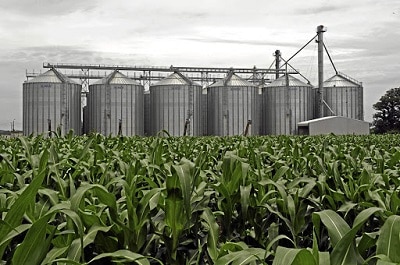
- Storage Facilities: Adequate storage infrastructure, including silos, warehouses, and cold storage facilities, is essential for preserving perishable agricultural products and managing seasonal fluctuations in supply and demand. Storage facilities help reduce post-harvest losses, maintain product quality, and stabilize prices.
- Irrigation Infrastructure: Irrigation infrastructure, including dams, canals, pumps, and irrigation networks, supports agricultural production in regions with limited rainfall or unreliable water sources. Well-designed irrigation systems improve water efficiency, enhance crop yields, and enable cultivation of high-value crops.
- Water Management Infrastructure: Infrastructure for water management, such as reservoirs, water treatment plants, and drainage systems, plays a critical role in ensuring sustainable water use, mitigating water scarcity, and addressing water quality challenges in agriculture.
- Energy Supply: Reliable access to electricity and alternative energy sources is essential for powering agricultural machinery, irrigation systems, and processing facilities. Infrastructure development in the energy sector improves the resilience and productivity of farming operations.
- Telecommunications: Access to reliable telecommunications infrastructure, including mobile networks and internet connectivity, facilitates communication, information sharing, and access to agricultural extension services for farmers in remote and rural areas.
- Research and Innovation: Infrastructure for research institutions, agricultural universities, and technology hubs supports innovation, technology transfer, and knowledge dissemination in agriculture. Investments in research infrastructure contribute to the development of new technologies, crop varieties, and farming practices.
- Rural Connectivity: Infrastructure development in rural areas, including water supply, sanitation, healthcare facilities, and education institutions, improves the quality of life for rural communities and supports agricultural development by providing essential services and amenities.
- Climate Resilience Infrastructure: Infrastructure investments that enhance climate resilience, such as water harvesting systems, soil conservation measures, and weather monitoring networks, help farmers adapt to climate change impacts and mitigate agricultural risks.
Technology and Innovation
Technology and innovation play a significant role in transforming agriculture in South Africa, improving productivity, sustainability, and resilience in the face of various challenges. Here’s how technology and innovation impact farming:
- Precision Agriculture: Precision agriculture techniques, such as GPS-guided tractors, drones, and satellite imagery, enable farmers to optimize resource use, including water, fertilizers, and pesticides. Precision farming practices improve crop yields, reduce input costs, and minimize environmental impact.
- Mechanization: Farm mechanization, including the use of tractors, harvesters, and implements, increases efficiency and labor productivity in agriculture. Mechanized farming reduces manual labor requirements, enhances farm operations, and enables timely field activities.
- Biotechnology: Biotechnological innovations, such as genetically modified (GM) crops, offer solutions to challenges such as pests, diseases, and environmental stresses. GM crops can improve crop yields, enhance nutritional value, and reduce the need for chemical inputs.
- Information and Communication Technology (ICT): ICT tools, including mobile apps, agricultural sensors, and farm management software, provide farmers with real-time information, weather forecasts, market prices, and advisory services. ICT solutions facilitate decision-making, improve farm management, and enhance market access for farmers.
- Climate-Smart Agriculture: Climate-smart agricultural practices, such as drought-resistant crops, conservation agriculture, and agroforestry, help farmers adapt to climate change impacts and mitigate greenhouse gas emissions. Climate-smart technologies improve resilience, soil health, and water efficiency in farming systems.
- Vertical Farming and Hydroponics: Vertical farming systems and hydroponic technologies enable year-round production of high-value crops in controlled environments, such as urban areas and greenhouses. Vertical farming maximizes land use, conserves water, and reduces transportation costs.
- Blockchain and Traceability: Blockchain technology provides transparent and secure systems for tracking and tracing agricultural products throughout the supply chain. Blockchain-based platforms enhance food safety, quality assurance, and market transparency for consumers and producers.
- Agricultural Robotics: Robotics and automation technologies, such as robotic harvesters, weeding robots, and autonomous drones, streamline farm operations, reduce labor costs, and improve efficiency in tasks such as planting, harvesting, and crop monitoring.
- Soil Health Monitoring: Soil health assessment technologies, including soil sensors, spectroscopy, and microbial analysis tools, help farmers optimize soil fertility, manage nutrient levels, and prevent soil degradation. Soil health monitoring improves crop productivity and environmental sustainability.
- Agri-Finance Technologies: Financial technology (fintech) solutions, such as mobile banking, digital payment platforms, and crop insurance schemes, provide farmers with access to financial services, credit, and risk management tools. Agri-finance technologies promote financial inclusion and resilience in agricultural communities.
Labour Availability and Skills
Labour availability and skills are crucial factors influencing agriculture in South Africa, impacting farm productivity, efficiency, and sustainability. Here’s how labour availability and skills affect farming:
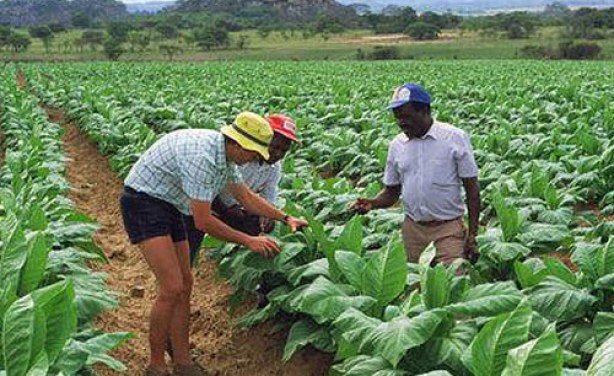
- Labour Availability: Availability of skilled and unskilled labour influences farming operations, particularly during peak seasons such as planting and harvesting. Challenges related to labour shortages, seasonal migration, and competition from other sectors can affect farm labour availability.
- Migration: Rural-urban migration and movement of labourers between provinces impact the availability of farm workers, especially in rural agricultural regions. Migration patterns influence the seasonal demand for labour and the dynamics of the agricultural workforce.
- Labour Costs: Labour costs, including wages, benefits, and compliance with labour regulations, constitute a significant portion of production expenses for farmers. Wage negotiations, minimum wage laws, and labour market conditions affect the affordability and availability of farm labour.
- Mechanization: Increasing mechanization and automation in agriculture reduce the reliance on manual labour for farm operations. Tractors, harvesters, and other machinery replace some labour-intensive tasks, improving efficiency and reducing labour requirements.
- Skills Shortages: Shortages of skilled agricultural workers, such as agronomists, farm managers, and agricultural technicians, pose challenges for the adoption of modern farming practices and technologies. Addressing skills gaps through training, education, and extension services is essential for enhancing farm productivity and competitiveness.
- Training and Education: Investing in training programs, vocational education, and agricultural extension services improves the skills and knowledge of farm workers and agricultural professionals. Training initiatives cover various aspects of farming, including crop production, livestock management, pest control, and safety practices.
- Labour Rights and Regulations: Compliance with labour laws, workplace safety standards, and fair labour practices is essential for ensuring the well-being and rights of farm workers. Government regulations and industry standards govern issues such as working hours, wages, occupational health, and social security benefits in agriculture.
- Seasonal Labour: Many agricultural activities, such as fruit picking and harvesting, require seasonal labour that may be sourced from local communities or migrant workers. Seasonal labour arrangements, temporary employment contracts, and accommodation provisions impact labour availability and working conditions.
- Youth Employment: Promoting youth participation in agriculture through training programs, mentorship initiatives, and entrepreneurship opportunities can address labour shortages and support the next generation of farmers. Encouraging young people to pursue careers in agriculture contributes to industry sustainability and succession planning.
- Social Dynamics: Social factors, including cultural norms, gender roles, and community dynamics, influence labour participation and division of tasks in agriculture. Addressing gender disparities, promoting women’s empowerment, and recognizing the contributions of marginalized groups in farming are important for social equity and inclusive development.
Environmental Factors
Environmental factors play a significant role in shaping agriculture in South Africa, influencing land use, farming practices, and ecosystem health. Here are key environmental factors affecting agriculture:
- Climate Variability: South Africa experiences diverse climate zones, ranging from arid and semi-arid regions to temperate and subtropical areas. Climate variability, including rainfall patterns, temperature extremes, and droughts, affects crop suitability, water availability, and livestock management.
- Water Scarcity: Water scarcity is a major environmental challenge in South Africa, particularly in the semi-arid western regions. Limited freshwater resources, competing water demands, and droughts impact irrigation, livestock watering, and hydroelectric power generation, affecting agricultural productivity and rural livelihoods.
- Soil Quality and Degradation: Soil health and fertility are critical for sustainable agriculture. Soil degradation, caused by erosion, compaction, salinization, and nutrient depletion, reduces crop yields, compromises ecosystem resilience, and contributes to land degradation. Soil conservation practices, such as conservation tillage, cover cropping, and agroforestry, help mitigate soil erosion and improve soil health.
- Biodiversity Loss: Agricultural expansion, habitat fragmentation, and invasive species threaten biodiversity in South Africa. Loss of natural habitats, including grasslands, wetlands, and forests, affects ecosystem services, pollination, and biological pest control, impacting agricultural production and ecological resilience.
- Land Use Change: Land use changes, including deforestation, urbanization, and conversion of natural habitats to agricultural land, alter ecosystems, water cycles, and carbon sequestration. Sustainable land use planning, protected area management, and conservation efforts are essential for preserving biodiversity and ecosystem services while meeting agricultural needs.
- Pollution and Contamination: Agricultural activities contribute to pollution of air, water, and soil through pesticide runoff, fertilizer leaching, and livestock waste. Pollution poses risks to human health, aquatic ecosystems, and soil fertility, necessitating measures such as improved waste management, agrochemical stewardship, and pollution control regulations.
- Climate Change Impacts: Climate change poses significant challenges to agriculture in South Africa, exacerbating water scarcity, extreme weather events, and pest outbreaks. Rising temperatures, changing rainfall patterns, and increased frequency of droughts and heatwaves affect crop yields, livestock productivity, and food security, requiring adaptation strategies and resilient farming practices.
- Natural Disasters: Natural disasters, such as floods, wildfires, and storms, pose risks to agricultural infrastructure, crops, and livestock. Preparedness measures, early warning systems, and disaster risk reduction strategies help farmers mitigate the impacts of natural hazards and build resilience to climate-related disasters.
- Ecosystem Services: Ecosystem services, including pollination, soil formation, and water purification, support agricultural productivity and sustainability. Conserving natural ecosystems, restoring degraded lands, and promoting agroecological approaches enhance the provision of ecosystem services and contribute to resilient farming systems.
- Regulatory Framework: Environmental regulations, including laws governing water quality, land use planning, and biodiversity conservation, influence agricultural practices and land management decisions. Compliance with environmental standards, environmental impact assessments, and sustainable land management practices are essential for minimizing environmental impacts and promoting ecological sustainability in agriculture.
Social and Economic Factors
Social and economic factors profoundly influence agriculture in South Africa, shaping production systems, market dynamics, and rural livelihoods. Here are key social and economic factors affecting agriculture:
- Historical Injustices: South Africa’s history of colonialism and apartheid has left enduring legacies of land dispossession, racial inequality, and socio-economic disparities. Historical injustices have shaped land ownership patterns, access to resources, and opportunities for participation in agriculture, influencing the socio-economic landscape of rural communities.
- Land Reform: Land reform policies aim to address historical inequities in land ownership, promote land redistribution, and support land restitution initiatives. Land reform programs seek to transfer land to historically disadvantaged individuals and communities, foster agricultural development, and enhance rural livelihoods.
- Land Tenure Security: Secure land tenure rights are essential for promoting investment, productivity, and socio-economic stability in agriculture. Insecure land tenure arrangements, including insecure rights to land use and occupancy, undermine agricultural development, limit access to credit, and perpetuate poverty among rural communities.
- Rural Poverty: Rural poverty remains a significant challenge in South Africa, particularly among smallholder farmers, farmworkers, and rural households. Poverty affects access to resources, education, healthcare, and basic services, constraining opportunities for agricultural development and economic empowerment in rural areas.
- Access to Markets: Access to markets and market opportunities influence agricultural production decisions, crop choices, and income generation for farmers. Market access challenges, including transportation costs, market information asymmetry, and market concentration, affect smallholder farmers’ ability to participate in value chains and access remunerative markets.
- Labour Dynamics: Labour dynamics in agriculture are influenced by factors such as seasonal migration, casual employment, and wage negotiations. Labour relations, working conditions, and social protections for farm workers affect livelihoods, social cohesion, and equity in the agricultural sector.
- Gender Equity: Gender disparities persist in South African agriculture, with women often facing limited access to land, resources, and decision-making opportunities. Addressing gender inequalities in agriculture, promoting women’s empowerment, and recognizing women’s contributions to farming are essential for enhancing agricultural productivity and social inclusion.
- Market Concentration: Concentration of market power among agribusiness firms and large-scale commercial farmers can limit opportunities for smallholder farmers, hinder market competition, and exacerbate inequalities in the agricultural value chain. Promoting market diversification, supporting smallholder cooperatives, and enforcing anti-monopoly regulations contribute to inclusive and competitive markets.
- Education and Skills Development: Education and skills development are critical for building human capital, enhancing agricultural productivity, and fostering innovation in farming. Investing in agricultural education, vocational training, and extension services improves farmers’ skills, knowledge, and adaptive capacity to cope with socio-economic challenges and technological advancements.
- Social Safety Nets: Social safety nets, including social assistance programs, rural development initiatives, and agricultural subsidies, provide critical support to vulnerable households, mitigate poverty, and enhance food security in rural areas. Strengthening social protection systems and promoting inclusive agricultural policies contribute to resilient livelihoods and socio-economic well-being in agricultural communities.
YouTube Channel: Farming South Africa
Facebook Page: Farming Life
Back To Home Page: Farming South Africa