

20 Steps to help you start a farm in South Africa
20 Steps to Kickstart Your Farming Journey in South Africa
Embarking on a farming venture in South Africa can be both thrilling and challenging. Whether you’re dreaming of cultivating crops, raising livestock, or venturing into agro-processing, a structured approach is crucial for success.
Here’s a comprehensive guide outlining 20 essential steps to jumpstart your farming endeavor
Ask yourself if you really want to be a farmer
Asking yourself if you want to be a farmer in South Africa involves considering various factors and personal preferences.
Here are some questions to help you reflect on this decision:
- Passion and Interest: Do you have a genuine passion for agriculture and a strong interest in farming activities?
- Lifestyle: Are you prepared for the lifestyle changes and demands associated with farming, including long hours, physical labor, and potential isolation?
- Financial Considerations: Are you willing to invest time and money into establishing and running a farm, understanding that it may take time to see returns on your investment?
- Risk Tolerance: Can you handle the inherent risks and uncertainties of farming, such as weather-related challenges, market fluctuations, and pest or disease outbreaks?
- Skills and Knowledge: Do you have or are you willing to acquire the necessary skills, knowledge, and training to succeed in farming, including agricultural techniques, business management, and marketing?
- Land Access: Do you have access to suitable land for farming, either through ownership, leasing, or other arrangements?
- Market Opportunities: Have you conducted research on market demand for agricultural products in South Africa and identified potential niche markets or value-added opportunities?
- Support System: Do you have a support system in place, including family, mentors, and agricultural organizations, to assist you in your farming journey?
- Sustainability: Are you committed to practicing sustainable farming methods that prioritize environmental stewardship, soil health, and resource conservation?
- Long-Term Vision: Do you have a clear vision for your farming operation and are you prepared to adapt and innovate to meet changing circumstances and opportunities?
Reflecting on these questions can help you determine whether pursuing a career as a farmer in South Africa aligns with your goals, values, and aspirations. It’s essential to weigh the pros and cons carefully and seek advice from experienced farmers or agricultural professionals before making a decision.
How to decide on what you want to farm with
Deciding what you want to farm with involves several considerations to ensure you choose a path that aligns with your interests, resources, and market demand. Here’s a step-by-step guide to help you make this decision:
- Assess Your Interests and Skills: Consider what aspects of farming interest you the most. Do you enjoy working with animals, cultivating crops, or both? Assess your skills and knowledge in various areas of agriculture.
- Research Market Demand: Investigate which agricultural products are in demand in your region or have the potential for profitability. Look for niche markets or specialty crops that may offer higher prices or less competition.
- Evaluate Your Resources: Take stock of the resources you have available, including land, water access, equipment, and capital. Determine what type of farming operation is feasible given your resources.
- Consider Environmental Factors: Evaluate the environmental conditions of your area, including climate, soil type, and topography. Certain crops or livestock may thrive in specific environmental conditions.
- Explore Different Farming Methods: Research different farming methods, such as conventional, organic, or sustainable practices. Choose methods that align with your values and goals for your farm.
- Seek Advice and Mentorship: Reach out to experienced farmers or agricultural extension services for guidance. They can provide valuable insights and advice based on their own experiences.
- Start Small and Experiment: Consider starting with a small-scale operation or experimenting with different crops or livestock before committing to a larger venture. This allows you to learn and adjust based on your experiences.
- Create a Business Plan: Develop a detailed business plan that outlines your farming goals, production methods, marketing strategy, and financial projections. This will help you stay focused and organized as you move forward with your farming venture.
- Stay Flexible and Adaptive: Remain open to adapting your farming operation based on changing market conditions, environmental factors, and lessons learned along the way. Flexibility is essential for long-term success in agriculture.
- Continuous Learning and Improvement: Stay informed about new developments, technologies, and best practices in agriculture through ongoing learning and networking with other farmers. Continuous improvement is key to staying competitive and sustainable in the farming industry.
By carefully considering these factors and conducting thorough research, you can make an informed decision about what you want to farm with that aligns with your interests, resources, and goals.
Also see: How to start farming with chickens in South Africa
Most profitable Livestock to farm in Sa
The profitability of farming livestock in South Africa can vary depending on factors such as market demand, input costs, and climatic conditions. However, some livestock species tend to be more profitable than others. Here are a few options:
- Cattle: Beef cattle farming is a significant sector in South Africa, with both commercial and small-scale operations. Beef production can be profitable due to strong domestic demand, as well as opportunities for export. Additionally, cattle farming can provide secondary income streams through selling calves, breeding stock, and by-products like hides.
- Sheep: Sheep farming, particularly for meat production, is another profitable venture in South Africa. The country has a well-established market for lamb and mutton, both domestically and internationally. Sheep farming can also be combined with wool production for additional income.
- Goats: Goat farming is gaining popularity in South Africa due to the increasing demand for goat meat (chevon) and other products like milk and cheese. Goats are well-suited to the country’s diverse climatic conditions and can thrive in semi-arid regions where other livestock species struggle.
- Poultry: Poultry farming, including chicken, duck, and turkey production, is a lucrative venture in South Africa. The demand for poultry products, especially chicken meat and eggs, remains high throughout the year. Poultry farming can be relatively low-cost and offers quick returns on investment compared to other livestock species.
- Pigs: Pig farming can also be profitable, particularly for pork production. Pork is a popular meat choice in South Africa, and there is a growing demand for high-quality, locally produced pork products. Pig farming requires careful management of housing, nutrition, and disease control but can yield good returns for farmers.
- Game Farming: Game farming, including species like impala, kudu, and springbok, has become increasingly profitable in South Africa, driven by the demand for game meat and eco-tourism opportunities. Game farming requires large tracts of land and specialized knowledge but can be financially rewarding for those willing to invest in the industry.
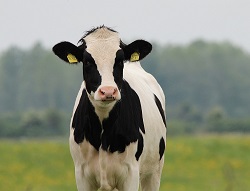
Ultimately, the most profitable livestock species for farming in South Africa will depend on factors such as market demand, available resources, and the individual farmer’s goals and preferences. Conducting thorough market research and seeking advice from agricultural experts can help farmers make informed decisions about which livestock species to farm.
Most Profitable Crop to Farm with in SA
Determining the most profitable crop to farm in South Africa depends on various factors such as soil quality, climate conditions, market demand, input costs, and available resources. Here are some crops that are known to be profitable in South Africa:
- Maize: Maize is one of the staple crops in South Africa and holds a significant place in the agricultural sector. It is widely grown across the country and has a strong domestic and export market. The demand for maize is consistent, making it a potentially profitable crop for farmers, especially in regions with suitable climate conditions.
- Citrus Fruits: South Africa is known for its citrus fruit production, including oranges, lemons, and grapefruits. The country is one of the leading exporters of citrus fruits globally. Citrus farming can be profitable due to high demand both locally and internationally, as well as favorable growing conditions in certain regions like the Eastern Cape and Limpopo.
- Avocado: Avocado production has seen significant growth in South Africa in recent years, driven by increasing demand both domestically and internationally. Avocado farming can be lucrative, especially in regions with suitable climates such as Mpumalanga and Limpopo. High-quality avocados fetch premium prices in the market.
- Grapes: South Africa is a major producer of grapes, both for table consumption and wine production. Wine grapes, in particular, are grown in various regions such as the Western Cape, which has favorable climate conditions for viticulture. Wine production can be highly profitable for farmers who have access to suitable land and are willing to invest in vineyards and winemaking facilities.
- Macadamia Nuts: Macadamia nut farming has become increasingly popular in South Africa due to rising global demand for these nuts. Macadamia trees are well-suited to certain regions with subtropical climates, such as KwaZulu-Natal and Mpumalanga. Macadamia nuts command high prices in both local and international markets, making them a potentially profitable crop for farmers.
- Berries: Berry farming, including strawberries, blueberries, and raspberries, has been gaining traction in South Africa. Berries are considered high-value crops and can fetch premium prices, especially in niche markets and for export. Berry farming requires careful attention to soil health, irrigation, and pest management but can yield profitable returns for farmers.
- Soybeans: Soybean production has been increasing in South Africa, driven by demand for soy products in various industries such as animal feed, food processing, and biodiesel production. Soybeans are relatively low-input crops and can be grown in rotation with other crops, making them a financially viable option for farmers, especially in regions with suitable growing conditions.
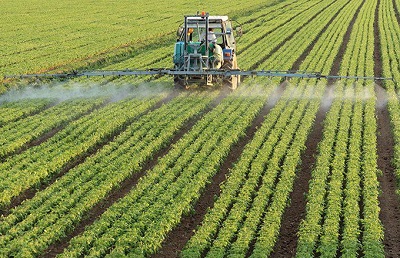
What do you need to start farming?
Starting a farm requires careful planning, preparation, and investment in various resources. Here’s a comprehensive list of what you need to start a farm:
- Land: Acquire or lease suitable land for farming, taking into account factors such as soil quality, water availability, climate, and proximity to markets or transportation.
- Farm Equipment and Machinery: Invest in essential equipment and machinery for farming operations, including tractors, plows, seeders, harvesters, irrigation systems, and tools for cultivation and maintenance.
- Seeds and Plants: Purchase high-quality seeds, seedlings, or plants for growing crops, orchards, or nurseries. Choose varieties that are well-suited to your climate and soil conditions.
- Livestock: If raising animals, acquire healthy livestock from reputable breeders or auctions. Consider factors such as breed selection, housing, feeding, and health management.
- Infrastructure: Build or set up infrastructure for your farm, including barns, sheds, greenhouses, fences, pens, and irrigation systems. Ensure infrastructure meets the specific needs of your crops or livestock.
- Water Access: Ensure access to an adequate and reliable water source for irrigation, drinking water for livestock, and other farm operations. This may involve drilling wells, installing pumps, or accessing surface water sources.
- Financial Resources: Secure financing or funding to cover startup costs, operating expenses, and contingencies. This may include personal savings, loans, grants, or investment capital from partners or investors.
- Business Plan: Develop a detailed business plan outlining your farm’s goals, production strategy, marketing plan, budget, and financial projections. A well-thought-out plan will guide your decision-making and help attract financing.
- Legal and Regulatory Compliance: Understand and comply with local, state, and federal regulations governing agriculture, land use, water rights, environmental protection, food safety, and animal welfare.
- Labor: Determine your labor needs and hire skilled workers or farmhands to assist with farm operations. Alternatively, consider family labor or volunteer programs for small-scale operations.
- Crop Inputs and Supplies: Purchase fertilizers, pesticides, herbicides, and other inputs necessary for crop production. Ensure proper storage and handling to prevent contamination or environmental damage.
- Market Access: Identify potential markets for your farm products and establish relationships with buyers, distributors, retailers, or direct-to-consumer channels. Consider factors such as pricing, packaging, branding, and delivery logistics.
- Insurance: Obtain appropriate insurance coverage for your farm, including crop insurance, livestock insurance, liability insurance, and property insurance. Insurance helps mitigate risks associated with unpredictable events such as weather disasters, pest outbreaks, or accidents.
- Education and Training: Continuously invest in education and training for yourself and your farm workers to stay updated on best practices, new technologies, and industry trends. Attend workshops, conferences, and extension programs offered by agricultural organizations or institutions.
- Patience and Persistence: Farming requires dedication, hard work, and resilience to overcome challenges and achieve success. Be prepared for setbacks and fluctuations in market conditions, and maintain a positive attitude towards learning and improvement.
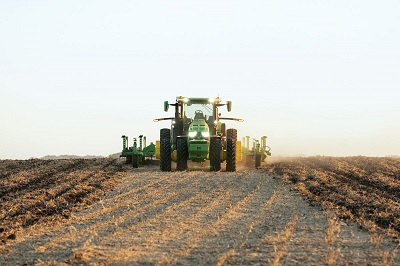
Pros and Cons of farming in South Africa
Pros when starting a farm in SA
- Agricultural Potential: South Africa has diverse climates and fertile soil, offering opportunities to grow a wide range of crops and raise various livestock.
- Export Opportunities: The country’s agricultural sector is a net exporter, with strong demand for products like citrus fruits, wine, and grains in international markets.
- Government Support: Various government programs and subsidies exist to support emerging farmers, including land redistribution schemes and financial assistance.
- Growing Domestic Market: With a growing population and increasing urbanization, there is a consistent demand for fresh produce and agricultural products within the country.
- Job Creation: Agriculture remains a significant source of employment in rural areas, providing opportunities for job creation and economic development.
- Rural Development: Farming can contribute to rural development by providing infrastructure, improving living standards, and supporting local economies.
Cons when starting a farm in SA
- Land Reform Challenges: Land reform initiatives aimed at addressing historical inequalities can be complex and lengthy processes, leading to uncertainty for aspiring farmers.
- Market Volatility: Agricultural markets are subject to price fluctuations, weather conditions, and global trade dynamics, posing risks to profitability and sustainability.
- Climate Change: Increasingly erratic weather patterns and climate change pose challenges to farming operations, including droughts, floods, and temperature extremes.
- Input Costs: Rising input costs, such as fuel, fertilizers, and pesticides, can squeeze profit margins, particularly for small-scale farmers with limited resources.
- Skills Shortages: Lack of technical skills and agricultural knowledge among new farmers can hinder productivity and success, requiring investment in training and education.
- Access to Finance: Securing capital for start-up costs, equipment, and land acquisition can be difficult, especially for individuals without collateral or credit history.
- Regulatory Compliance: Compliance with regulations and bureaucratic processes related to land tenure, environmental regulations, and labor laws can be time-consuming and costly.
- Security Risks: Rural areas may face security challenges, including theft, vandalism, and land invasions, impacting farm operations and safety.
What are the financial implications?
The financial implications of starting and running a farm can be significant and varied, depending on factors such as the type and scale of farming operation, local market conditions, available resources, and individual goals. Here are some key financial considerations to keep in mind:
- Initial Investment:
- Acquiring or leasing land: The cost of purchasing land or leasing farmland can be a major expense. Factors such as location, soil quality, acreage, and proximity to markets can influence land prices.
- Infrastructure development: Building or renovating farm structures (e.g., barns, greenhouses, fences, irrigation systems) and installing necessary equipment (e.g., tractors, implements, processing machinery) requires upfront investment.
- Input costs: Purchasing seeds, seedlings, livestock, feed, fertilizers, pesticides, and other inputs necessary for production can represent a significant portion of initial expenses.
- Operating Expenses:
- Labor costs: Hiring and compensating farm workers, seasonal laborers, or contractors for tasks such as planting, harvesting, animal care, and maintenance.
- Utilities: Paying for electricity, water, heating, cooling, and other utility services required for farm operations.
- Maintenance and repairs: Budgeting for ongoing maintenance, repairs, and replacement of equipment, infrastructure, and facilities to ensure operational efficiency and productivity.
- Insurance: Obtaining insurance coverage for property, crops, livestock, equipment, liability, and other risks to protect against unforeseen losses or damages.
- Taxes: Meeting tax obligations, including property taxes, income taxes, sales taxes, and any agricultural-specific taxes or assessments.
- Marketing and Distribution:
- Promotion and advertising: Allocating funds for marketing, advertising, branding, and promotional activities to reach potential customers, differentiate products, and build brand awareness.
- Transportation and logistics: Covering costs associated with transporting farm products to markets, distribution centers, retailers, or customers, including fuel, vehicle maintenance, packaging, and shipping.
- Financial Planning and Management:
- Budgeting and financial planning: Developing realistic budgets, cash flow projections, and financial forecasts to guide decision-making, monitor performance, and ensure financial sustainability.
- Access to capital: Securing financing or investment capital to fund startup costs, expansion projects, working capital needs, and unforeseen expenses. This may involve loans, grants, venture capital, crowdfunding, or personal savings.
- Recordkeeping and accounting: Maintaining accurate financial records, bookkeeping systems, and accounting practices to track income, expenses, assets, liabilities, and profitability for tax reporting, regulatory compliance, and strategic planning purposes.
- Market Risks and Volatility:
- Price fluctuations: Managing exposure to market volatility, changes in commodity prices, supply and demand dynamics, and external factors (e.g., weather events, global trade policies) that can impact farm revenues and profitability.
- Market access: Identifying and accessing markets for farm products, negotiating prices, contracts, and distribution channels, and diversifying sales channels to reduce dependence on a single market or buyer.
- Risk Management:
- Risk assessment: Identifying, evaluating, and mitigating potential risks and uncertainties related to production, market conditions, environmental factors, regulatory compliance, legal liabilities, and other operational challenges.
- Contingency planning: Developing contingency plans, risk mitigation strategies, and insurance coverage to address emergencies, disasters, crop failures, livestock losses, or other adverse events that could threaten the financial viability of the farm.
- Profitability and Return on Investment:
- Financial performance: Monitoring key financial metrics, such as gross revenue, net income, profit margins, return on investment (ROI), and break-even points, to assess the profitability and long-term viability of the farming enterprise.
- Economic viability: Evaluating the economic sustainability, competitiveness, and scalability of the farm business model over time, considering factors such as efficiency improvements, cost reduction strategies, and value-added opportunities.

How to register your Farming Business
To legally import, manufacture, or sell agricultural remedies in South Africa, registration with the Registrar of Act 36 of 1947 is mandatory. Here’s a guide on the registration process:
Eligibility:
- Only South African citizens or juristic persons with a registered office in South Africa may apply for registration.
- If the remedy you wish to register is already registered by someone else, you need their permission before proceeding.
Packaging and Labeling:
- The remedy must be packaged in a clean, sealed container, with no reuse of containers allowed after emptying.
- Liquid remedies must be contained in spill-proof containers compliant with South African National Standards 10229.
- Labeling requirements include a trademark, registration number (or “Reg. No. … Act No.36 of 1947” if not yet registered), toxicity category, formulation type, batch number, manufacturing date, net volume or mass, contact person’s details, and company registration number if applicable.
Application Process:
- Download and complete the Application for the Registration of an Agricultural Remedy form.
- Make three copies of the form and submit them by post to: The Registrar: Act 36 of 1947, Private Bag X343, Pretoria, 0001, or hand-deliver to: The Registrar: Act 36 of 1947, Agriculture Place, 20 Steve Biko Street, Arcadia, Pretoria.
- Include one copy of supportive studies (e.g., toxicological data, efficacy data, residue data, and physical specifications).
- Pay the prescribed fee. If submitting by hand, ensure to obtain a receipt.
- Bank details:
- Account name: NDA-ACT 36 of 1947
- Account number: 11 2031 02
- Reference: Name of your company
- Branch code: 01 0845
- Bank Name: Standard Bank
- Bank details:
For Importation:
- Include additional documents such as the port of entry, dosage rate, trial protocol, location of trials, active ingredients, and quantity to be imported.
Processing Time: 6 to 12 months.
Cost: Refer to the tariffs for 2023/24.
Forms: Application for the Registration of an Agricultural Remedy.
Contact Information: Directorate Agriculture Inputs Control
- Tel: 012 319 7103/7847
- Email: AICHelpdesk@daff.gov.za
- Address: 20 Steve Biko Street, Arcadia, Pretoria
- Postal address: Department of Agriculture, Land Reform and Rural Development, Private Bag X343, Pretoria 0001
Following these steps ensures compliance with regulations and facilitates the legal registration of agricultural remedies in South Africa.
Why you should register when Starting a Farm in SA
The Department of Agriculture, Forestry, and Fisheries (DAFF), in collaboration with Statistics South Africa, has initiated a project aimed at gathering data on both commercial and non-commercial farmers.
Introduced by DAFF Minister Senzeni Zokwana in Cape Town, the Producer/Farmer Register (PFR) spans from 2018 to 2021. It seeks to rectify the inaccuracies in statistics concerning non-commercial farmers, especially smallholder farmers nationwide.
The project aims to ascertain the number and size of farms, types of crops grown across different regions, and the utilization of agricultural inputs such as irrigation. Data on commercial farmers will be collected through the Census of Commercial Agriculture (COCA), while non-commercial farmers’ statistics will be compiled via the Producer/Farmer Register.
Zokwana emphasized the significance of this register as a vital database for the government, with StatsSA lending its expertise in conducting the census of commercial farmers.
The initiative aligns with President Cyril Ramaphosa’s focus on the agricultural sector’s pivotal role in economic growth, food security, poverty reduction, and national sustainability, as outlined in his recent State of the Nation Address.
The establishment of the Producer/Farmer Register is poised to address several key areas within the sector and the country, including:
- Rectifying inaccurate statistics on non-commercial farmers, especially smallholders.
- Providing a framework to measure the performance of the Agriculture, Forestry, and Fisheries sector.
- Developing indicators aligned with government frameworks to monitor progress.
- Accurately identifying smallholder farmers and their agricultural activities.
- Creating a reference frame for agricultural sector surveys.
- Tracking the impact of agricultural support and devising strategies to address challenges.
- Accounting for beneficiaries entitled to agricultural support services.
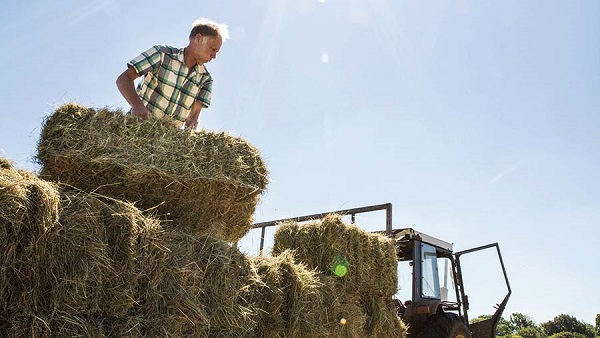
Minister Zokwana stressed that the registration process is unrelated to current debates around land expropriation without compensation. He urged smallholder producers and farmers to participate in the project and provide relevant information to ensure its success. Extension officers will facilitate this process, seeking voluntary participation from farmers to contribute to the project’s objectives.
How will you do marketing and distribution
Marketing and distribution are crucial aspects of running a successful farm business. Here are some key considerations for effectively marketing and distributing your farm products:
- Identify Your Unique Selling Proposition (USP): Determine what sets your farm products apart from competitors. Whether it’s organic certification, sustainable farming practices, or unique product varieties, highlighting your USP can help differentiate your products in the market.
- Develop a Marketing Plan: Create a comprehensive marketing plan that outlines your target market, marketing goals, strategies, and tactics. Consider using a mix of online and offline marketing channels, such as social media, farmers’ markets, community events, and direct sales to consumers and businesses.
- Branding: Develop a strong brand identity that reflects your farm’s values and resonates with your target audience. This includes designing a logo, packaging, and marketing materials that convey your brand message effectively.
- Build Relationships: Cultivate relationships with customers, retailers, wholesalers, and other stakeholders in the agricultural industry. Networking and building partnerships can help you expand your market reach and access new distribution channels.
- Online Presence: Establish an online presence through a website and social media platforms to showcase your farm products, share your story, and engage with customers. Consider selling your products through an e-commerce platform to reach a wider audience.
- Customer Education: Educate consumers about the benefits of your farm products, such as nutritional value, sustainability, and farm-to-table freshness. Host farm tours, workshops, or cooking demonstrations to engage customers and build loyalty.
- Distribution Channels: Explore various distribution channels for selling your farm products, such as farmers’ markets, farm stands, CSA (Community Supported Agriculture) programs, grocery stores, restaurants, and online marketplaces. Choose distribution channels that align with your target market and business goals.
- Quality Control and Packaging: Ensure that your farm products meet high-quality standards and are packaged attractively. Quality control measures and eye-catching packaging can enhance the perceived value of your products and encourage repeat purchases.
- Feedback and Adaptation: Gather feedback from customers and stakeholders to continuously improve your marketing and distribution strategies. Stay flexible and adaptable to changing market conditions and consumer preferences.
Checklist before you start a farm in SA
Before starting a farm, it’s essential to ask yourself several critical questions to ensure you have a clear understanding of what’s involved and whether farming is the right choice for you. Here are some key questions to consider:
- What are my farming goals?
- Define your short-term and long-term objectives for the farm. Are you looking to generate income, provide food for your family, contribute to sustainable agriculture, or pursue a specific lifestyle?
- What type of farming am I interested in?
- Determine whether you want to focus on crop production, livestock raising, organic farming, agroforestry, aquaculture, or a combination of these. Consider your interests, skills, and market demand.
- What is my level of experience and knowledge in farming?
- Assess your background in agriculture, including any formal education, training, or previous experience. Identify areas where you may need to acquire additional skills or expertise.
- What resources do I have available?
- Evaluate your access to land, water, capital, equipment, labor, and other resources needed for farming. Determine whether you own suitable land or need to lease or purchase it.
- What is the local climate and soil like?
- Research the climate, soil conditions, rainfall patterns, and temperature fluctuations in your area. Understand how these factors will impact your choice of crops or livestock and farming practices.
- What are the potential risks and challenges?
- Identify potential risks such as weather extremes, pests, diseases, market volatility, regulatory changes, and financial uncertainties. Develop contingency plans to mitigate these risks.
- What is the market demand for my products?
- Analyze market trends, consumer preferences, and demand for agricultural products in your region. Determine whether there is sufficient demand for your chosen crops or livestock and explore marketing opportunities.
- What are the regulatory requirements and legal considerations?
- Familiarize yourself with local, state, and federal regulations governing agriculture, land use, environmental protection, food safety, and animal welfare. Ensure compliance with permits, licenses, and zoning ordinances.
- What are the financial implications?
- Calculate the costs associated with starting and operating a farm, including land acquisition, infrastructure development, equipment purchases, input costs, labor expenses, and ongoing maintenance. Develop a realistic budget and financial plan.
- Do I have a support network or mentors?
- Seek advice and guidance from experienced farmers, agricultural extension services, local agricultural organizations, and community networks. Build relationships with mentors who can provide valuable insights and support.
- Am I prepared for the physical and mental demands of farming?
- Consider the physical labor, long hours, and potential stress involved in farming. Assess your commitment, resilience, and willingness to adapt to the demands of the agricultural lifestyle.
- What are my plans for sustainability and environmental stewardship?
- Evaluate your approach to sustainable farming practices, resource conservation, soil health, water management, biodiversity preservation, and minimizing environmental impacts.
Do I you have a support network or mentors?
Having a support network or mentors can be incredibly valuable when starting a farm. Mentors can offer guidance, share their experiences, and provide advice on various aspects of farming, such as crop selection, soil management, pest control, and marketing strategies. They can also help you navigate challenges and make informed decisions based on their expertise.
Similarly, a support network consisting of other farmers, agricultural professionals, and community organizations can provide resources, connections, and moral support. Joining local farming associations, attending workshops or conferences, and participating in online forums or social media groups can help you connect with like-minded individuals and access a wealth of knowledge and assistance.
Ultimately, having a support network or mentors can contribute to your success as a farmer by providing you with the guidance, encouragement, and resources you need to overcome obstacles and achieve your goals.
Is there a demand for my Products?
Assessing market demand for your products is crucial for the success of your farm. Here are some steps you can take to gauge market demand:
- Market Research: Conduct thorough market research to understand the demand for your products. Look into factors such as current market trends, consumer preferences, and competitor analysis.
- Identify Your Target Market: Define your target market based on factors such as demographics, geographic location, and consumer behavior. Understanding your target market will help you tailor your products to meet their specific needs and preferences.
- Product Testing: Consider conducting product testing or market surveys to gather feedback from potential customers. This can help you refine your products and ensure they meet market demand.
- Networking: Build relationships with potential buyers, distributors, and retailers to gauge their interest in your products. Attend industry events, trade shows, and networking events to connect with key stakeholders in your target market.
- Evaluate Supply and Demand: Analyze supply and demand dynamics in your industry to determine if there is a gap in the market that your products can fill. Look for opportunities to differentiate your products from competitors and offer unique value propositions to attract customers.
- Seasonality: Consider seasonal variations in demand for your products and plan your production accordingly. Explore options for diversifying your product offerings to maintain consistent sales throughout the year.
Starting a Farm in SA
Here’s a step-by-step guide to help you navigate the process
- Research and Planning:
- Determine the type of farm you want to start, whether it’s crop farming, livestock farming, or a combination of both.
- Conduct market research to identify demand for your chosen products and potential competitors.
- Develop a detailed business plan outlining your goals, budget, marketing strategy, and operational plan.
- Legal Requirements:
- Register your farm with the relevant authorities, such as the Department of Agriculture, Land Reform and Rural Development (DALRRD).
- Obtain necessary permits and licenses for operating a farm, such as water use permits and environmental permits.
- Ensure compliance with local zoning regulations and land use policies.
- Land Acquisition:
- Purchase or lease land suitable for your farming activities. Consider factors such as soil quality, access to water, and proximity to markets.
- Verify land ownership and resolve any legal issues related to land tenure.
- Infrastructure and Equipment:
- Invest in essential infrastructure, such as irrigation systems, fencing, storage facilities, and farm buildings.
- Acquire necessary farm equipment and machinery for planting, harvesting, and livestock management.
- Crop Selection or Livestock Breeds:
- Choose crops or livestock breeds suited to your climate, soil conditions, and market demand.
- Consider factors such as input costs, yield potential, and profitability when selecting crops or livestock.
- Production Practices:
- Implement sustainable farming practices to minimize environmental impact and maximize resource efficiency.
- Invest in training and education to stay updated on the latest agricultural techniques and technologies.
- Marketing and Sales:
- Develop a marketing strategy to promote your farm products and reach potential customers.
- Explore different sales channels, such as farmers’ markets, supermarkets, and online platforms.
- Build relationships with buyers, distributors, and other stakeholders in the agricultural value chain.
- Financial Management:
- Monitor your farm’s finances closely and keep accurate records of income and expenses.
- Seek financial assistance or grants available for new farmers through government programs or agricultural organizations.
- Manage risks effectively by diversifying your revenue streams and implementing risk management strategies.
- Networking and Support:
- Join farming associations, cooperatives, or community groups to connect with other farmers and access support services.
- Attend workshops, training sessions, and agricultural events to expand your knowledge and network with industry professionals.
- Continuous Improvement:
- Regularly assess your farm’s performance and identify areas for improvement.
- Stay informed about changes in market trends, regulations, and technology advancements.
- Adapt your farming practices and business strategies accordingly to ensure long-term success.
Starting a Farm in SA – Information you will need
Eastern Cape:
The Minister of the Department of Agriculture, Land Reform and Rural Development extends an invitation to the general public and all interested parties to provide feedback on the proposed re-alignment and amendment of the area of jurisdiction of the deeds registries located in King William’s Town and Mthatha. This initiative aims to streamline and optimize access to deeds registration services for all citizens within the Eastern Cape Province.
In accordance with section 1 of the Deeds Registries Act, 1937 (Act No. 47 of 1937), the Minister has the authority to establish or disestablish deeds registries, establish or disestablish sub-deeds registries, and determine the names and locations of such offices. The objective of re-aligning the areas of jurisdiction of the deeds registries in the Eastern Cape Province is to enhance accessibility to deeds registration services and uphold constitutional reforms in service delivery.
Interested parties are invited to submit written submissions or comments regarding the proposed amendments to the areas of jurisdiction of the King William’s Town and Mthatha deeds registries. Specifically, submissions are sought to:
- Amend the definition of the area of jurisdiction of the deeds registry in King William’s Town to include Ezibeleni and Ilinge Townships of Queenstown.
- Amend the definition of the area of jurisdiction of the deeds registry in Mthatha to include Lady Grey, Indwe, Barkley East, Elliot, Rhodes, Ugie, and Maclear.
- Maintain the Aliwal North, Dordrecht, and Jamestown areas under the Deeds Registry King William’s Town.
Written submissions or comments should be addressed to the Chief Registrar of Deeds at the Department of Agriculture, Land Reform and Rural Development within 30 days of the publication of this notice. Submissions received after the closing date may not be considered.
Additional information regarding the proposed amendments will be available on Mondays, Tuesdays, and Wednesdays between 10h00 and 13h00, as well as through print and electronic communication platforms. Interested parties may contact the designated officials listed below for further details:
King William’s Town Deeds Registry:
- Mr Thabo Phali
- Address: 113 Alexander Road, King William’s Town, Office No 7, ground floor
- Telephone: 043 642 2741 / 060 582 1973
- Email: Thabo.Phali@dalrrd.gov.za
Mthatha Deeds Registry:
- Mr Waterson Mketshane
- Address: Corner Leeds and Durham Street, Office 13, Ground floor, Botha Sigcawu Building
- Telephone: 047 5322 869 / 071 600 0892
- Email: Waterson.Mketshane@dalrrd.gov.za
Written submissions or comments may be submitted in any South African official language. Requests for condonation for late submissions may be considered upon good cause shown, provided they do not unduly delay the process or prejudice the public interest. After considering all submissions, the Minister’s decision will be published, and interested parties may appeal as outlined in the publications.
Gauteng
The general public and all interested parties are hereby invited to comment on the intention of the Minister of the Department of Agriculture, Land Reform
and Rural Development to re-align and amend the area of jurisdiction of the deeds registries situated in Johannesburg and Pretoria.
In terms of section 1 of the Deeds Registries Act, 1937 (Act No. 47 of 1937), the Minister of Agriculture, Land Reform and Rural Development may, from
time to time, subject to the laws governing the public service, by notice in the Gazette—
- Establish or disestablish deeds registries;
- Establish or disestablish sub-deeds registries within the area of deeds registries; and
- Determine the names and situation of such offices, define the respective areas thereof, or amend any such determination or definition.
The Minister intends the following: - To amend the definition of the area of jurisdiction of the deeds registry in Pretoria, to the boundaries of the City of Tshwane Metropolitan Municipality,
as from a date yet to be determined and published in the Government Gazette; - To amend the definition of the area of jurisdiction of the deeds registry in Johannesburg, to the boundaries of the Province of Gauteng, excluding the
area served by the deeds registry in Pretoria, as from a date yet to be determined and published in the Government Gazette; - The status quo in respect of the area of jurisdiction of the deeds registries for the registration of the opening of townships, as contemplated in section
46A of the Deeds Registries Act, 1937, and the registration of farm and agricultural land, will remain until legislation has been amended to allow for
registration to take place in accordance to the definition of the areas of the deeds registries in Pretoria and Johannesburg, as to be amended. - The status quo in respect of the areas in the Province of the North West which are served by the deeds registry at Pretoria remains as is until otherwise
determined by the Minister by Notice in the Government Gazette.
The purpose of the re-alignment of the areas of jurisdiction of the deeds registries in the Gauteng Province is to ensure improved access to deeds
registration services to all citizens of the province. The current service delivery model is of such a nature that clients have to travel long distances in order
to access deeds registration services. Re-aligning the areas of jurisdiction of the Pretoria and Johannesburg deeds registries will ensure that the
Department of Agriculture, Land Reform and Rural Development implements constitutional reforms in the current service delivery landscape.
The public and all interested parties are hereby invited to make written submissions / comments in connection with the proposed amendments of the areas
of jurisdiction of the Pretoria and Johannesburg deeds registries:
For the attention of:
The Chief Registrar of Deeds
Department of Agriculture, Land Reform and Rural Development
Private Bag X918
Pretoria
0001
E-mail to: deeds.alignment@dalrrd.gov.za or contact: Mr Calvin Ranwedi Neluvhola (012 338 7124)
Written submissions / comments must reach the Chief Registrar of Deeds within 30 days of publication of this notice and submissions / comments received
after the closing date may be disregarded.
Kindly also take note of the following:
- Further information about the proposed amendment of the areas of jurisdiction of the Pretoria and Johannesburg deeds registries will be available on
Mondays, Tuesdays and Wednesdays between 10h00 and 13h00 only, from the date of publication of this Notice in the Government Gazette, until the
closing date for submissions / comments with the exclusion of public holidays from the relevant officials listed below:
Johannesburg Deeds Registry:
Ms Paulina Zwartland, corner Von Wielligh and Jeppe Street, Office No: 2504, 25th floor, Marble Towers Building, office telephone: 011 843 8300/8311 /
cellular telephone: 083 290 8065; email: Paulina.Zwartland@dalrrd.gov.za
Pretoria Deeds Registry:
Ms Getrude Ngapo, corner Bosman and Pretorius Street, Office 412, 4th floor, Merino Building, office telephone: 012 338 7274/7034 /8305 / cellular
telephone: 082 229 0502, email: Getrude.Ngapo@dalrrd.gov.za - Written submissions / comments may be in any South African official language.
- In instances where submissions / comments are received after the closing date and rejected on the ground that it was received late, requests for
condonation for late submission may be granted, which requests for condonation may be granted on good cause shown by the person who submitted
the comments, provided that such condonation would not lead to unnecessary delays or otherwise prejudice the public interest. Grounds for
condonation must be submitted in writing no later than five (5) working days after the closing date for submissions / comments. - After all submissions received from interested and affected parties have been considered by an Internal Review Panel, the Minister’s decision regarding
the re-alignment of the Johannesburg and Pretoria deeds registries will be published in the Government Gazette as well print and online communication
platforms. - Interested and affected parties may, after a decision is made by the Minister, institute review proceedings against that decision, as contemplated by
section 6(1) of the Promotion of Administrative Justice Act 3 of 2000, within the stipulated time frame.
Northern Cape
The general public and all interested parties are hereby invited to comment on the intention of the Minister of the Department of Agriculture, Land Reform and
Rural Development to re-define the areas of jurisdiction of the deeds registries in the North West, Kimberley and Pretoria as detailed below:
In terms of section 1 of the Deeds Registries Act, 1937 (Act No. 47 of 1937), the Minister of Rural Development and Land Reform may, from time to time,
subject to the laws governing the public service, by notice in the Gazette —
- Establish or disestablish deeds registries;
- Establish or disestablish sub-deeds registries within the area of deeds registries; and
- Determine the names and situation of such offices, define the respective areas thereof, or amend any such determination or definition.
The purpose for the above is to ensure improved access to deeds registration services to all citizens of the province. The current service delivery model is of
such a nature that clients must travel long distances to Vryburg in order to access deeds registration services. The alignment of the deeds registries in the
North West, Kimberley and Pretoria, will ensure that the Department of Agriculture, Land Reform and Rural Development implements constitutional reforms in
the current service delivery landscape.
Invitation to make written submissions / comments:
The public and all interested parties are hereby invited to make written submissions / comments in connection with the following proposals: - The identification, separation and transfer of records of land parcels falling within the area of jurisdiction of the Northern Cape Province, but dealt
with in the Vryburg deeds registry, from the deeds registry in Vryburg to the deeds registry in Kimberley; - The identification, separation and transfer of records of land parcels falling within the area of jurisdiction of the North West Province, but dealt within
the Pretoria deeds registry, from the Pretoria deeds registry to the correct deeds registry in the North West; - The amendment of the area of jurisdiction of the Vryburg deeds registry, situated in Vryburg to only deal with transactions relating to land parcels
that fall within the area of jurisdiction of the Dr Ruth Segomotsi Mompati district municipality; - The establishment the North West deeds registry in Mahikeng to deal with transactions relating to land parcels that fall within the area of jurisdiction of the
(Bojanala, Ngaka Modiri Molema and Dr Kenneth Kaunda District Municipalities).
Written submissions / comments shall be addressed to:
For attention of:
The Chief Registrar of Deeds
Department of Rural Development and Land Reform
Private Bag X918
Pretoria
0001
E-mail to: deeds.alignment@dalrrd.gov.za or contact: Mr Calvin Ranwedi Neluvhola at 012 338 7124.
Written submissions / comments must reach the Chief Registrar of Deeds 30 within days of publication of this notice and submissions / comments received
after the closing date may be disregarded.
Kindly also take note of the following:
- Further information about the proposed administrative actions will be available on Mondays, Tuesdays and Wednesdays between 10h00 and 13h00
only, from the date of publication of this Notice in the Government Gazette as well other print and electronic communication platforms, until the closing
date for submissions / comments, with the exclusion of public holidays from the relevant officials listed below:
Pretoria Deeds Registry:
Ms Getrude Ngapo corner Bosman and Pretorius Street, Office 412, 4th floor, Merino Building, office telephone: 27(0)12 338 7274/7034 /8305 / cellular
telephone: 0822290502; email: Getrude.Ngapo@dalrrd.gov.za
Kimberley Deeds Registry:
Mr Jeffrey du Plooy, Deeds Office Kimberley, New Public Building, c/o Knight & Stead Street, Kimberley, 9th Floor, Room 9.24, office telephone: 053-
8327228, email address: Jeffrey.Wayne.DuPlooy@dalrrd.gov.za
Vryburg Deeds Registry:
Mr Kebonethebe Mothibi, Assistant Registrar of Deeds, Deeds Office
Vryburg, 2 De Kock St, Vryburg, 8601, Cellular Number: 082 801 5403, Office Telephone: 053 928 1500, Email address: Kebonethebe.Mothibi@dalrrd.gov.za - Written submissions / comments may be in any South African official language.
- In instances where submissions / comments are received after the closing date and rejected on the ground that it was received late, requests for
condonation for late submission may be granted, which requests for condonation may be granted on good cause shown by the person who submitted the
comments, provided that such condonation would not lead to unnecessary delays or otherwise prejudice the public interest. Grounds for condonation must
be submitted in writing no later than five (5) working days after the closing date for submissions / comments. - After all submissions received from interested and affected parties have been considered by an Internal Review Panel, the Minister’s decision regarding
the re-alignment of the North West, Kimberley and Pretoria deeds registries will be published in the same Government Gazette as well print and electronic
communication platforms. - Interested and affected parties may, after a decision is made by the Minister, institute review proceedings against that decision, as contemplated by
section 6(1) of the Promotion of Administrative Justice Act 3 of 2000, within the stipulated time frame.
North West
The general public and all interested parties are hereby invited to comment on the intention of the Minister of the Department of Agriculture, Land Reform and Rural
Development to re-define the areas of jurisdiction of the deeds registries in the North West, Kimberley and Pretoria as detailed below:
In terms of section 1 of the Deeds Registries Act, 1937 (Act No. 47 of 1937), the Minister of Rural Development and Land Reform may, from time to time, subject to
the laws governing the public service, by notice in the Gazette —
- Establish or disestablish deeds registries;
- Establish or disestablish sub-deeds registries within the area of deeds registries; and
- Determine the names and situation of such offices, define the respective areas thereof, or amend any such determination or definition.
The purpose for the above is to ensure improved access to deeds registration services to all citizens of the province. The current service delivery model is of such a
nature that clients must travel long distances to Vryburg in order to access deeds registration services. The alignment of the deeds registries in the North West,
Kimberley and Pretoria, will ensure that the Department of Agriculture, Land Reform and Rural Development implements constitutional reforms in the current service
delivery landscape.
Invitation to make written submissions / comments:
The public and all interested parties are hereby invited to make written submissions / comments in connection with the following proposals: - The identification, separation and transfer of records of land parcels falling within the area of jurisdiction of the Northern Cape Province, but dealt with in the
Vryburg deeds registry, from the deeds registry in Vryburg to the deeds registry in Kimberley; - The identification, separation and transfer of records of land parcels falling within the area of jurisdiction of the North West Province, but dealt within the Pretoria
deeds registry, from the Pretoria deeds registry to the correct deeds registry in the North West; - The amendment of the area of jurisdiction of the Vryburg deeds registry, situated in Vryburg to only deal with transactions relating to land parcels that fall within
the area of jurisdiction of the Dr Ruth Segomotsi Mompati district municipality; - The establishment the North West deeds registry in Mahikeng to deal with transactions relating to land parcels that fall within the area of jurisdiction of the
(Bojanala, Ngaka Modiri Molema and Dr Kenneth Kaunda District Municipalities).
Written submissions / comments shall be addressed to:
For attention of:
The Chief Registrar of Deeds
Department of Rural Development and Land Reform
Private Bag X918
Pretoria
0001
E-mail to: deeds.alignment@dalrrd.gov.za or contact: Mr Calvin Ranwedi Neluvhola at 012 338 7124.
Written submissions / comments must reach the Chief Registrar of Deeds 30 within days of publication of this notice and submissions / comments received after the
closing date may be disregarded.
Kindly also take note of the following:
- Further information about the proposed administrative actions will be available on Mondays, Tuesdays and Wednesdays between 10h00 and 13h00 only, from the
date of publication of this Notice in the Government Gazette as well other print and electronic communication platforms, until the closing date for submissions /
comments, with the exclusion of public holidays from the relevant officials listed below:
Pretoria Deeds Registry:
Ms Getrude Ngapo corner Bosman and Pretorius Street, Office 412, 4th floor, Merino Building, office telephone: 27(0)12 338 7274/7034 /8305 / cellular telephone:
0822290502; email: Getrude.Ngapo@dalrrd.gov.za
Kimberley Deeds Registry:
Mr Jeffrey du Plooy, Deeds Office Kimberley, New Public Building, c/o Knight & Stead Street, Kimberley, 9th Floor, Room 9.24, office telephone: 053-8327228, email
address: Jeffrey.Wayne.DuPlooy@dalrrd.gov.za
Vryburg Deeds Registry:
Mr Kebonethebe Mothibi, Assistant Registrar of Deeds, Deeds Office
Vryburg, 2 De Kock St, Vryburg, 8601, Cellular Number: 082 801 5403, Office Telephone: 053 928 1500, Email address: Kebonethebe.Mothibi@dalrrd.gov.za - Written submissions / comments may be in any South African official language.
- In instances where submissions / comments are received after the closing date and rejected on the ground that it was received late, requests for condonation for
late submission may be granted, which requests for condonation may be granted on good cause shown by the person who submitted the comments, provided that
such condonation would not lead to unnecessary delays or otherwise prejudice the public interest. Grounds for condonation must be submitted in writing no later
than five (5) working days after the closing date for submissions / comments. - After all submissions received from interested and affected parties have been considered by an Internal Review Panel, the Minister’s decision regarding the realignment of the North West, Kimberley and Pretoria deeds registries will be published in the same Government Gazette as well print and electronic
communication platforms. - Interested and affected parties may, after a decision is made by the Minister, institute review proceedings against that decision, as contemplated by section 6(1) of
the Promotion of Administrative Justice Act 3 of 2000, within the stipulated time frame
For further details, please visit www.dalrrd.gov.za.
Purpose
The purpose of the Department of Agriculture, Land Reform and Rural Development is to foster integrated development and social cohesion through collaborative approaches in partnership with all sectors of society.
Functions
- Management of Land Access: Facilitate the process of land access, encompassing land ownership and sustainable development practices.
- Policy and Programme Development: Develop and coordinate policies and programs to support the implementation of land reform initiatives.
- Geo-spatial and Technology Services: Provide research and development services in geo-spatial and technological fields.
- Social and Technical Facilitation: Offer social, technical, rural livelihood, and institutional facilitation to support community development.
- Rural Infrastructure Development: Facilitate the development of rural infrastructure strategies to promote socio-economic growth.
- Deeds Registration: Register deeds and other pertinent documents related to land ownership.
- Cadastral Surveys: Coordinate and administer cadastral surveys to ensure accurate land demarcation and registration.
- Corporate Support Services: Provide essential corporate support services to enhance departmental operations.
- Financial and Supply Chain Management: Manage financial and supply chain processes efficiently and effectively.
- Internal Controls and Governance: Evaluate the adequacy and effectiveness of internal controls, governance, and risk management across all business processes.
- Coordination of Economic Cluster Activities: Coordinate activities within the economic cluster to promote synergies and collaboration.
- Stakeholder Engagement and Media Liaison: Strategically manage stakeholder and international relations, as well as media liaison efforts.
- Strategic and Management Support: Provide strategic and management support services to enhance departmental performance.
- Safety and Security Management: Coordinate, manage, and advise on safety and security matters within the department.
- Policy Research: Conduct policy research to inform decision-making and strategic direction.
Chief Directorates
- Risk Management
- Strategic and Management Support
- Internal Audit
- Policy Research and Development
- Safety and Security Services
- International Relations and Community Liaison
- Cluster Coordination, Special Programs, and Intergovernmental Relations
Contacts
- Mr. Mooketsa Ramasodi
- Director-General: Department of Agriculture Land Reform and Rural Development
- Phone: 012 312 8503
- Email: DGOffice@dalrrd.gov.za
- Ms. Alicia Stevens
- Chief Director: Executive Support Services
- Office of the Director-General
- Phone: 012 312 8707
- Email: AliciaS@Dalrrd.gov.za
- Ms. Debbie Khan
- Executive Assistant
- Office of the Director-General
- Phone: 012 312 9490/8139/8503
- Email: Debbie.Khan@dalrrd.gov.za
Ussefull information for the starter Farmer
Concept and Importance of Agri-parks
The concept of Agri-parks originates from various existing models both locally and abroad, such as educational/experimental farms, collective farming, farmer-incubator projects, agri-clusters, eco-villages, and urban-edge allotments and market gardens. These models may exist on both public and private lands, serving as transition zones between urban and agricultural uses.
Agri-parks are vital for rural development for several reasons:
- Networks and Infrastructure: Agri-parks provide networks of contacts between producers, markets, and processors. They also offer the physical infrastructure required for transforming industries, including processing facilities, logistics, and storage.
- Support for Smallholder Farmers: The Agri-park approach includes selecting and training smallholder farmers, as well as providing support for unemployed agricultural graduates and other agro-entrepreneurs. This support contributes to the growth of the smallholder sector and promotes rural economic transformation.
- Policy Alignment: Agri-parks are aligned with government policies, such as land reform initiatives outlined in the Green Paper on Land Reform. They serve as a mechanism to review land reform policies and provide necessary support to black farmers and agri-business entrepreneurs.
- Strategic Partnerships: Agri-parks facilitate strategic partnerships with key government departments and other spheres of government, as well as with private sector stakeholders. These partnerships enhance access to services, develop markets, and strengthen value chains.
- Utilization of State Land: State land is utilized for both production and processing within Agri-parks, linking to programs like the Animal and Veld Management Programme. This maximizes the benefit of state-owned agricultural land and contributes to rural development.
Strategic Objectives of Agri-parks
The strategic objectives of Agri-parks include:
- Establishing Agri-parks in all of South Africa’s District Municipalities to kick-start rural economic transformation.
- Promoting the growth of the smallholder sector and creating new jobs in agro-processing.
- Supporting and enhancing the skills of smallholder farmers through capacity building, mentorship, and provision of infrastructure and inputs.
- Enabling producer ownership of Agri-parks equity, with the state and commercial interests holding minority shares.
- Bringing under-utilized land, especially in communal areas and land reform farms, into full production and expanding irrigated agriculture.
- Contributing to the achievement of the National Development Plan’s goal of creating an inclusive rural economy and generating 1 million jobs in the agriculture sector.
Principles Guiding the Establishment of Agri-parks
The establishment of Agri-parks adheres to ten guiding principles:
- One Agri-park per District (44).
- Farmer-controlled management.
- Catalyst for rural industrialization.
- Government support for 10 years to ensure economic sustainability.
- Strengthened partnership between government and private sector stakeholders.
- Maximization of benefits from existing state land.
- Maximization of market access for all farmers, especially emerging farmers.
- Maximization of high-value agricultural land utilization.
- Maximization of existing agro-processing and logistics infrastructure.
- Support for growing towns and rural urban linkages.
These principles ensure that Agri-parks are developed and managed in a sustainable and inclusive manner, promoting rural economic growth and development.
Definition of Agri-parks
In the South African context, Agri-parks are networked innovation systems of agro-production, processing, logistics, marketing, training, and extension services located in District Municipalities. They enable market-driven combinations and integration of various agricultural activities and rural transformation services.
Agri-parks consist of three main components:
- Farmer Production Support Unit (FPSU): Provides rural outreach, primary collection, storage, processing, and extension services.
- Agri-Hub (AH): Focuses on production, equipment hire, processing, packaging, logistics, and training.
- Rural Urban Market Centre (RUMC): Links rural, urban, and international markets, provides warehousing, transport, and market intelligence.
These components work together to support agricultural development and rural transformation.
Other Activities in FPSU, AH, and RUMC
- FPSU activities include agricultural input supply, extension support, mechanization, local logistics, primary produce collection, sorting, packaging, storage, processing, and small business development.
- AH activities include storage, processing, enterprise development, packaging, logistics, transport service workshops, technology demonstration parks, soil testing laboratories, accommodation, and business facilities.
- RUMC activities include market intelligence, contract management, warehousing, logistics, and transport.
Location of Agri-parks and Agri-hubs
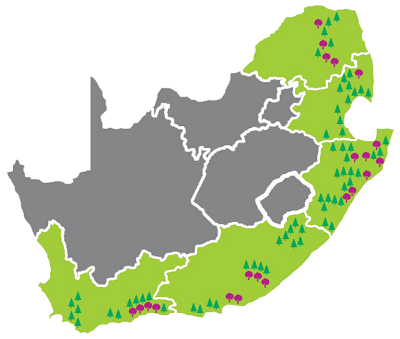
Agri-parks are established in all 44 Districts of South Africa, serving as comprehensive networks covering entire districts. Agri-hubs, one designated per District Municipality, are strategically located to facilitate production, processing, and market linkages.
Role of Recapitalization and Development Programme (RADP)
RADP is an initiative to revive distressed farms, increase agricultural production, guarantee food security, create jobs, and graduate small-scale farming into commercialized agriculture. It aims to empower black emerging farmers and contribute to the de-racialization of the rural economy by providing support, training, and resources.
Monitoring and Evaluation
The Department implements monitoring and evaluation structures through agreements with strategic partners, routine visits to farms, and the appointment of auditing companies. Reporting mechanisms are established to ensure accountability and measure the impact of projects under the Recapitalization and Development Programme.
Land and agriculture Grants
Land Redistribution for Agricultural Development (LRAD) offers grants to previously disadvantaged individuals seeking land for agriculture. Applicants must contribute a minimum of R5,000, either in cash or labor, with grants ranging from R20,000 to R100,000. Both individuals and groups, particularly women, youth, and the disabled, are encouraged to apply.
For LRAD:
- Contact Agricultural Development: 012 319 8495
- Contact Land Acquisition: 012 312 9600
The Integrated Food Security and Nutrition Programme (IFSNP) aids households affected by food insecurity by providing agricultural assistance such as seedlings, equipment, and fertilizers. Its goal is to equip beneficiaries with the tools they need to produce their own food. Groups or individuals aiming to start small-scale gardens or subsistence farming in rural or urban areas can apply.
For IFSNP: Contact the Department of Agriculture at 012 319 7331.
The Irrigation, Revitalization, and Development program highlights the importance of water management in agriculture, particularly in areas with limited water resources. It supports small-scale irrigation projects to enhance food security and alleviate poverty. Revitalizing under-utilized schemes and developing new ones in water-rich areas can uplift rural communities.
For Irrigation, Revitalization, and Development: Contact the Department of Agriculture at 012 846 8569.
The Comprehensive Agricultural Support Programme (CASP) aids previously disadvantaged landowners in effectively utilizing acquired land. It offers support services in six priority areas: information and technology management, technical advisory assistance, marketing, business development, training, capacity-building, and financial support.
For CASP: Contact the Department of Agriculture at 012 319 8495/7686/8244.
The Micro-Agricultural Financial Institutions of South Africa (Mafisa) assists emerging farmers in accessing loans of up to R100,000 and other financial services. It helps farmers develop business plans to demonstrate loan repayment capacity.
For Mafisa: Contact the relevant agricultural financial institution.
Labour Laws around Farming in South Africa
In South Africa, farming labour laws are governed by various pieces of legislation aimed at protecting the rights of farmworkers and ensuring fair labor practices in the agricultural sector. Here are some key aspects of farming labor law in South Africa:
- Basic Conditions of Employment Act (BCEA): This act sets out the minimum working conditions for all employees in South Africa, including farmworkers. It covers aspects such as working hours, leave entitlement, and termination of employment.
- Labour Relations Act (LRA): The LRA regulates collective labor relations, including the right to organize, engage in collective bargaining, and participate in strikes and lockouts. Farmworkers have the right to join trade unions and participate in collective bargaining processes.
- Occupational Health and Safety Act (OHSA): This legislation sets out the health and safety standards that employers must adhere to in the workplace, including on farms. Employers are required to provide a safe working environment and take measures to prevent accidents and occupational injuries.
- Employment Equity Act (EEA): The EEA promotes equal opportunities and fair treatment in employment, aiming to eliminate unfair discrimination and promote diversity in the workplace. It applies to all employers, including those in the agricultural sector.
- Sectoral Determination for Farm Workers: The Minister of Labour may issue sectoral determinations that set minimum wages, working conditions, and other employment standards specific to certain sectors, including agriculture. The Sectoral Determination for Farm Workers establishes minimum wages, working hours, and other conditions of employment for farmworkers.
- Unemployment Insurance Fund (UIF): Farmworkers are entitled to benefits under the UIF, which provides short-term financial assistance to workers who become unemployed, are on maternity leave, or suffer from certain other contingencies.
- Employment Contracts: Employers are required to provide written employment contracts to farmworkers, outlining the terms and conditions of their employment. This includes details such as wages, working hours, leave entitlement, and disciplinary procedures.
- Housing and Living Conditions: Employers are responsible for providing suitable housing and living conditions for farmworkers, in accordance with health and safety standards. They must also ensure access to basic amenities such as clean water, sanitation facilities, and electricity.
- Child Labor: The Employment of Children Act prohibits the employment of children under a certain age and regulates the conditions under which children may be employed in permissible activities on farms.
This document outlines the key aspects of farming labor law in South Africa, particularly focusing on Sectoral Determination 13, which regulates the basic conditions of employment and remuneration of farm workers. Here’s a summarized version of the information provided:
- Definition of Farm Worker: A farm worker includes anyone involved in farming activities, including general workers, domestic workers on farms, and security guards employed to guard farm areas.
- Written Contracts: While not legally required, having a written contract between the employer and the farm worker is advisable, as it ensures clarity on remuneration and other employment particulars.
- Key Items in the Contract: Important elements to include in the contract are contact details, place of work, working hours, wages/payment, overtime, benefits, deductions, leave, and termination of employment.
- Working Hours: Farm workers are restricted to working a maximum of 45 hours per week, with limitations on daily hours depending on the number of days worked in a week. Overtime must be compensated at a rate of 1.5 times the normal wage.
- Minimum Wages/Payments: Sectoral Determination 13 stipulates minimum wages and rates for farm workers, which must be adhered to by employers. These rates are subject to annual escalation.
- Deductions: Employers can make statutory deductions such as UIF and PAYE, as well as agreed-upon deductions for accommodation, medical aid, pension funds, etc., provided they comply with Sectoral Determination 13.
- Leave: Contracts should outline provisions for annual leave, sick leave, family responsibility leave, and maternity leave.
- Termination of Employment: Both the farm worker and employer must give notice to terminate employment, with notice periods varying based on the length of employment. Termination must comply with the Labour Relations Act.
- Accessing Sectoral Determination: Employers are advised to keep a copy of Sectoral Determination 13 for reference. It can be downloaded from the Department of Labour website.
This summary provides a concise overview of the rights and obligations of farm workers and employers in South Africa’s agricultural sector, as outlined by Sectoral Determination 13. For further inquiries, individuals are encouraged to contact the Department of Labour or seek legal advice.
Farmers and agricultural employers must comply with these laws and regulations to ensure that farmworkers are treated fairly and their rights are protected. Failure to comply with labor laws can result in penalties, fines, and legal action. It’s essential for both employers and employees in the agricultural sector to be aware of their rights and obligations under South African labor law.
Annual Leave for farm workers
Sectoral Determination 8: Farm Worker Sector
1) An employer must grant a farm worker –
a) at least three weeks leave on full pay in respect of each twelve months of employment (the ‘annual leave cycle’);
b) by agreement, at least one day of annual leave on full pay for every 17 days on which the farm worker worked or was entitled to be paid; or
c) by agreement, one hour of annual leave on full pay for every 17 hours on which the farm worker worked or was entitled to be paid.
2) An employer must grant a farm worker an additional day of paid leave if a public holiday falls on a day during a farm worker’s annual leave on which the farm worker would otherwise have worked.
3) An employer may reduce a farm worker’s entitlement to annual leave by the number of days of occasional on full pay granted to the farm worker at the farm worker’s request in that annual leave cycle.
4) An employer must grant –
a) at least three weeks annual leave on full pay in respect of each 12 months of employment (the ‘annual leave cycle’) not later than six months after the end of the annual leave cycle or the year in which leave was earned.
b) The leave earned in one year over a continuous period, if requested by the farm worker.
5) Annual leave must be taken –
a) in accordance with an agreement between the employer and the farm worker; or
b) if there is no agreement in terms of paragraph (a), at a time determined by the employer in accordance with this section.
6) An employer may not require or permit a farm worker to take annual leave during –
a) any other period of leave to which the farm worker is entitled in terms of this chapter; or
b) any period of notice of termination of employment.
7) An employer may not require or permit a farm worker to work for the employer during any period of annual leave.
8) An employer may not pay a farm worker instead of granting paid leave in terms of the clause except on termination of employment in terms of clause 25.
9) An employer must pay a farm worker leave pay at least equivalent to the remuneration the farm worker would have received for working for a period equal to the period of leave, calculated at the farm worker’s wage immediately before the beginning of the period of leave.
10) An employer must pay a farm worker leave pay before the beginning of the period of leave.
South African Climate Explained for Farming
South Africa’s climate is diverse due to its geographical location and varied topography, which includes coastal plains, mountains, plateaus, and semi-arid regions. Understanding the climate is crucial for farmers as it directly influences agricultural practices, crop selection, and livestock management. Here’s an overview of South Africa’s climate zones and their implications for farming:
- Mediterranean Climate: Found in the Western Cape Province, this climate zone is characterized by mild, wet winters and hot, dry summers. The Mediterranean climate is well-suited for grape and citrus fruit cultivation, as well as for wheat and vegetable farming. However, water availability during the dry season can be a limiting factor, requiring irrigation in some areas.
- Semi-arid and Arid Climate: Large parts of South Africa, particularly in the central and western regions, experience semi-arid and arid climates with low rainfall and high evaporation rates. These areas are suitable for extensive livestock farming, including sheep and goats adapted to arid conditions. Crops such as maize, sorghum, and sunflowers can be grown with irrigation, but water management is critical due to limited rainfall.
- Subtropical Climate: The northeastern regions of South Africa, including parts of Mpumalanga, Limpopo, and KwaZulu-Natal provinces, have a subtropical climate characterized by hot, humid summers and mild winters. This climate is favorable for crops such as sugarcane, subtropical fruits (e.g., avocados, mangoes, bananas), and cash crops like tobacco. However, heavy rainfall and high humidity can also pose challenges such as pest and disease pressure.
- Highveld Climate: The Highveld region, covering parts of Gauteng, Free State, and Mpumalanga provinces, experiences a temperate climate with cold winters and warm summers. This climate is suitable for a wide range of crops, including maize, sunflowers, soybeans, and wheat. Livestock farming, including cattle and poultry, is also common in this region.
- Coastal Climate: South Africa’s coastal regions, particularly along the eastern and southern coasts, have a maritime climate influenced by the ocean. Coastal areas experience milder temperatures compared to inland regions, with relatively consistent rainfall throughout the year. Coastal regions are suitable for a variety of crops, including vegetables, fruit trees, and cash crops like cotton and sugarcane.
- Grassland Climate: The interior plateau of South Africa, known as the Highveld and the Bushveld regions, has a grassland climate with moderate temperatures and seasonal rainfall. This climate supports extensive grazing for cattle and sheep, as well as mixed farming practices combining crop cultivation with livestock rearing.
Current Climate – Climatology
This page provides an overview of South Africa’s current climate based on observed historical data from 1991 to 2020. The data is sourced from the Climatic Research Unit (CRU) at the University of East Anglia and is presented at a 0.5º x 0.5º (50km x 50km) resolution. Understanding the current climate context is essential for gaining insights into future climate scenarios and projected changes.
The information presented here can be used to analyze spatial variations, seasonal cycles, and time series of climate data. Both annual and seasonal data are available for analysis. While the default presentation is at the national scale, users can access sub-national data aggregations by clicking within a country on a sub-national unit.
Users can also explore other historical climatologies by selecting different time periods from the dropdown list. This comprehensive dataset enables researchers, policymakers, and stakeholders to study and understand the dynamics of South Africa’s climate and its implications for various sectors, including agriculture, water resources, and ecosystem management.
South Africa boasts a diverse landscape, characterized by a vast central plateau enveloped by mountain ranges along the west, south, and east, with a narrow coastal strip. Situated within a drought-prone region, it ranks as the fifth most water-scarce nation in sub-Saharan Africa. Agriculture, an extensive sector, consumes approximately half of the country’s water resources. The terrain transitions from desert and semi-desert in the northwest to sub-humid and wet in the east, with around half classified as arid or semi-arid.
The country experiences a blend of sub-tropical and temperate climates, influenced by oceanic conditions along both coasts and the plateau. This results in a cool, wet climate in the Drakensberg region, warm sub-tropical conditions in the northeast, Mediterranean climate in the southwest, and a warm, dry desert environment in the central west and northwest. Annual rainfall averages 464 mm, with the Western Cape receiving winter rainfall (June to August) and summer rainfall (December to February) prevalent elsewhere. Summer temperatures range from 15℃ to 36℃, while winter temperatures span from -2℃ to 26℃.
South Africa faces significant vulnerability to climate variability and change due to its heavy reliance on rain-fed agriculture and natural resources. The country’s arid conditions, high evaporation rates, and limited permanent surface water exacerbate water scarcity issues. Even without climate change, projections suggest the depletion of existing surface water resources. The mean annual temperature stands at 17.5℃, with monthly averages fluctuating between 22°C in December and January and 11°C in June and July. Precipitation peaks from November to March, contrasting with minimal rainfall between June and August.
Understanding the nuances of each climate zone is essential for farmers to make informed decisions regarding crop selection, irrigation practices, soil management, and pest control. Additionally, climate variability and the increasing frequency of extreme weather events underscore the importance of climate-resilient farming practices and adaptation strategies in South Africa’s agricultural sector.
General Information about Farming in SA
Agriculture in South Africa contributes around 5% of formal employment, which is relatively low compared to other parts of Africa, and this number is still decreasing. Additionally, it provides work for casual laborers and contributes around 2.6 percent of the nation’s GDP. However, due to the aridity of the land, only 13.5 percent can be utilized for crop production, with just 3 percent considered high-potential land.
According to FAOSTAT, South Africa is one of the world’s largest producers of various agricultural products, including chicory roots, grapefruit, cereals, green maize and maize, castor oil seed, pears, sisal, and fiber crops. The dairy industry comprises around 4,300 milk producers, employing 60,000 farm workers and supporting the livelihoods of approximately 40,000 others.
The South African government has set a target of transferring 30% of productive farmland to ‘previously disadvantaged’ black people, with ongoing debates and criticisms surrounding the pace and effectiveness of land reform initiatives. There have been concerns about racist treatment and fears of potential consequences similar to Zimbabwe’s land reform policy.
Additionally, the government has faced criticism regarding its efforts to address farm attacks, with some arguing that more needs to be done to tackle this issue compared to other forms of violent crime.
Predictions suggest a decrease in surface water supply by 60% in parts of the Western Cape by 2070, highlighting the urgency of sustainable development and natural resource management. Climate change has also impacted maize production, which contributes significantly to the country’s field crops.
Historically, evidence of pastoralism and farming dates back to prehistoric times in southern Africa, with the earliest written record of farming life by Europeans beginning slightly after 1500 CE.
In terms of production, South Africa ranks among the top producers globally for various crops, including sugarcane, maize, grapes, oranges, and pears. Additionally, it produces significant quantities of potatoes, wheat, soy, sunflower seed, apples, onions, tomatoes, lemons, grapefruits, bananas, barley, and other agricultural products. Many of these products are exported to the rest of the world by import/export companies based in South Africa.
Cereals and grains, including maize, wheat, sorghum, and barley, are among South Africa’s most significant crops, occupying over 60 percent of cultivated land. Maize, in particular, serves as a staple food, livestock feed, and an export commodity. It is primarily grown in provinces such as North-West, Mpumalanga, Free State, and KwaZulu-Natal. In 2018, South Africa produced 12.5 million tonnes of maize.
Wheat production has also increased, especially after World War II, with cultivation expanding from the western Cape to areas like the Orange Free State and the eastern Transvaal. In 2018, South Africa produced 1.8 million tonnes of wheat.
Other small grains like sorghum and barley are grown in localized areas, with sorghum being native to southern Africa and used for food and brewing purposes since prehistoric times. Barley is primarily cultivated in the Western Cape. In 2018, South Africa produced 421,000 tonnes of barley.
Additionally, South Africa produces peanuts, sunflower seeds, beans, and soybeans, contributing to its diverse agricultural output.
Fruit farming, including grapes for wine production, plays a significant role in South Africa’s agricultural sector. Deciduous fruits like apples, pears, and peaches thrive in the Western Cape and the Eastern Cape due to ideal climate conditions. Pineapples are grown in the Eastern Cape and KwaZulu-Natal, while tropical fruits such as bananas, avocados, and mangoes are cultivated in the northeast and coastal areas. The wine industry, dating back to the seventeenth century, is renowned, with over 100,000 hectares of vineyards primarily located in the Western Cape.
Sugarcane is another essential export crop, with production concentrated in Natal and expanding to areas like Mpumalanga. In 2018, South Africa produced over 19 million tons of sugarcane, maintaining its position as one of the world’s significant sugar producers.
Recourses and References
Department of Agriculture, Land Reform and Rural Development – DALRRD –
600 Lillian Ngoyi, Berea Park Contact – 012 312 8911 queries@dalrrd.gov.za
Agriculture and Farming Registration Gov.za
Why you should register before starting a farm in SA – SANEWS.GOV
Land and agriculture Grants – Grant
Labour Laws around Farming in South Africa – Labour Guide
Annual Leave for farm workers – Vula
Most Profitable Livestock to farm with in SA – Statista
Most Profitable crop to farm in SA – AGRI4
Current Climate – Climatology
General Information about Farming in SA – Wikipedia
YouTube Channel: Farming South Africa
Facebook Page: Farming Life
Back To Home Page: Farming South Africa